Say Goodbye to Acne, Hello to Confidence.

Acne Vulgaris

Scroll Down

Acne Vulgaris

Say Goodbye to Acne, Hello to Confidence.

Acne Vulgaris / Inflammatory Acne

Acne vulgaris is a common, chronic inflammatory skin disorder primarily affecting the pilosebaceous units, which include the hair follicle and associated sebaceous (oil) glands. It typically arises during adolescence but can persist or even begin in adulthood, influenced by a complex interplay of hormonal, microbial, and inflammatory factors.The pathogenesis of acne begins with increased sebum production, which is largely driven by androgen hormones. These hormones stimulate the sebaceous glands to produce excess oil, especially during puberty. At the same time, there is abnormal keratinocyte differentiation and desquamation (shedding of skin cells) within the follicular canal. This combination of excess oil and retained keratinocytes leads to blockage of the follicular orifice, forming a microcomedone—the precursor lesion of acne.

As the follicle becomes clogged, it creates an anaerobic environment ideal for the proliferation of Cutibacterium acnes (formerly Propionibacterium acnes), a gram-positive, lipophilic, anaerobic bacterium that is normally part of the skin flora. In acne-prone skin, however, this bacterium becomes pathogenic. C. acnes metabolizes sebum and releases pro-inflammatory mediators, which trigger an immune response through toll-like receptors on keratinocytes and immune cells.The resulting inflammatory cascade includes the release of cytokines, neutrophil infiltration, and oxidative stress, leading to the formation of inflammatory lesions such as papules, pustules, nodules, and in more severe cases, cysts. Persistent or deep inflammation can also result in post-inflammatory hyperpigmentation and permanent scarring.Acne pathophysiology is multifactorial and includes hormonal dysregulation, follicular hyperkeratinization, microbial proliferation, and inflammation. Understanding these mechanisms is essential for selecting targeted and effective treatment strategies that address the underlying causes of acne, reduce inflammation, and prevent long-term complications.

Acne vulgaris is not merely a cosmetic issue—it’s a chronic inflammatory condition that requires individualized, evidence-based care.

Self-help :

1. Use a gentle, non-comedogenic cleanser twice daily

Cleansing your face in the morning and evening helps remove excess oil, dirt, sweat, and impurities that can clog pores and worsen acne. A non-comedogenic cleanser is specially formulated not to block pores. Choose a mild, sulfate-free product that suits your skin type to avoid irritation or over-drying, which can trigger more sebum production.


2. Avoid picking, squeezing, or harsh scrubbing of lesions

Touching or picking at acne lesions can introduce bacteria, cause inflammation, and increase the risk of scarring or hyperpigmentation. Likewise, scrubbing your skin harshly can damage the skin barrier and aggravate existing breakouts. Instead, use gentle circular motions while cleansing and allow pimples to heal naturally or under medical guidance.


3. Select oil-free skincare and cosmetics

Oil-based products can clog pores and exacerbate acne, especially for oily or acne-prone skin. Opt for oil-free, non-comedogenic, and fragrance-free moisturizers, sunscreens, foundations, and other cosmetics. These formulations are less likely to cause breakouts and help maintain a clear complexion.


4. Adopt a low-glycemic diet and manage stress

High-glycemic foods (like white bread, sugary snacks, and processed cereals) can cause spikes in blood sugar and insulin levels, which may stimulate excess sebum production and inflammation. A low-glycemic diet, rich in whole grains, vegetables, legumes, and lean proteins, supports skin health. Additionally, chronic stress elevates cortisol levels, which can also trigger or worsen acne. Stress-management techniques like yoga, meditation, and sufficient sleep can be beneficial.


5. Keep hair clean and away from the face

Hair can carry oils, sweat, and styling products that may transfer to the skin and clog pores, especially around the forehead, temples, and cheeks. Washing hair regularly and tying it back, especially while sleeping or during physical activity, helps reduce the risk of acne mechanica and contact-related breakouts.
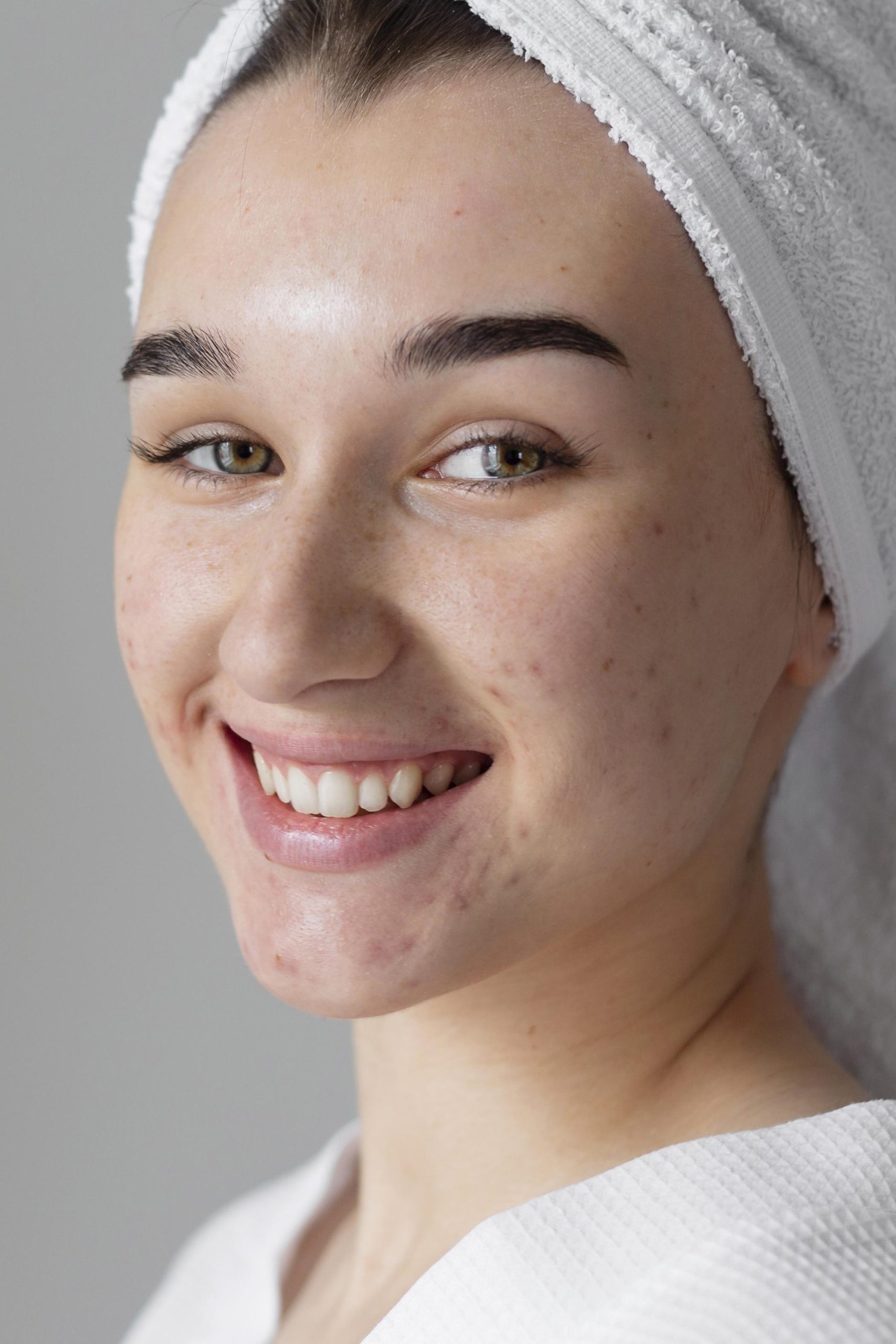
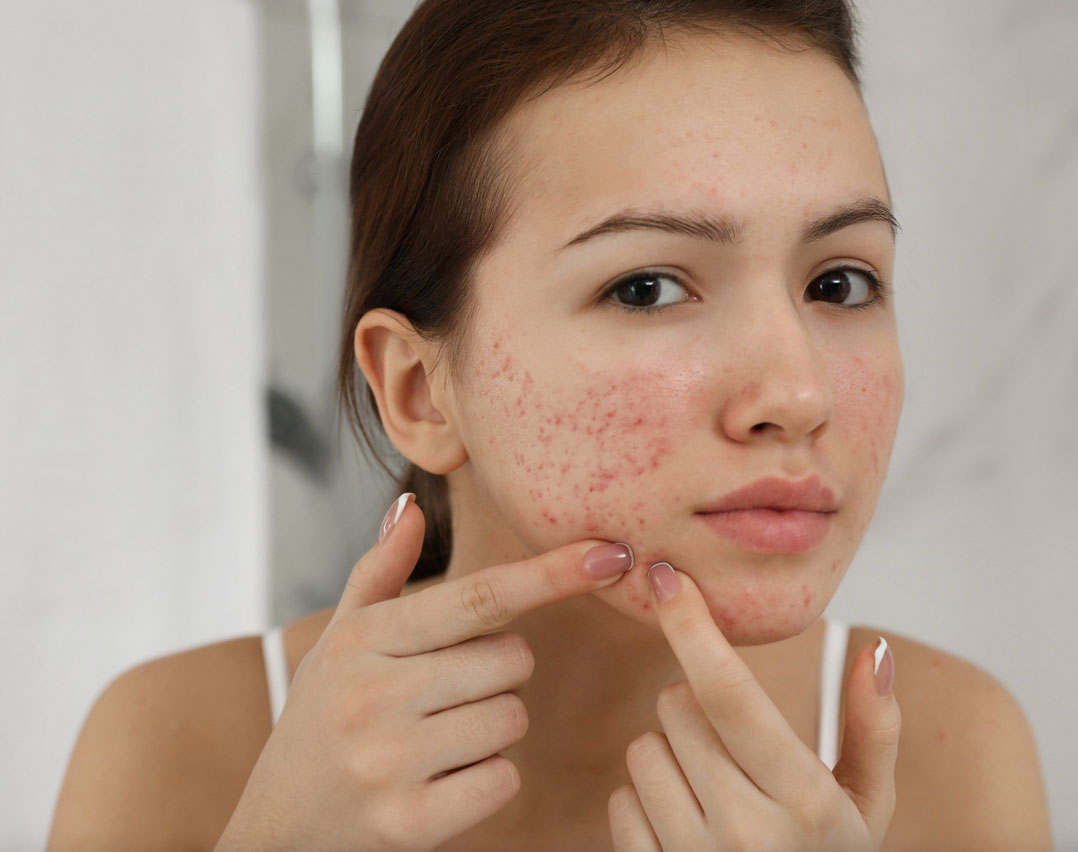
Treating acne means addressing more than breakouts—it’s about restoring skin health and self-confidence.

Medical Management :

  • Benzoyl Peroxide
    An antibacterial agent that reduces Cutibacterium acnes and helps prevent clogged pores. Often used in mild to moderate acne.

  • Topical Antibiotics (e.g., Clindamycin)
    Reduce inflammation and bacterial growth. Commonly combined with benzoyl peroxide to prevent resistance.

  • Retinoids (Adapalene, Tretinoin)
    Promote skin cell turnover, unclog pores, and reduce inflammation. Effective for comedonal and inflammatory acne.

  • Azelaic Acid
    Has antibacterial and anti-inflammatory properties. Also helps fade post-acne pigmentation and is suitable for sensitive skin.

Acne Procedures :

  • Chemical Peels
    Use acids to exfoliate the skin, unclog pores, and improve texture and pigmentation.

  • Photodynamic Therapy (PDT)
    Combines a photosensitizing agent with light exposure to reduce acne-causing bacteria and inflammation.

  • Blue Light Therapy
    Targets acne bacteria with blue light to reduce inflammation and breakouts without medications.

  • Intralesional Corticosteroids
    Injections of steroids directly into inflamed cysts to quickly reduce swelling and pain.

  • Laser Therapy (Fractional CO2 for Scarring)
    Uses laser energy to resurface skin, stimulate collagen, and improve the appearance of acne scars.

Acne is a visible manifestation of invisible processes: hormonal shifts, inflammation, and microbial imbalance.

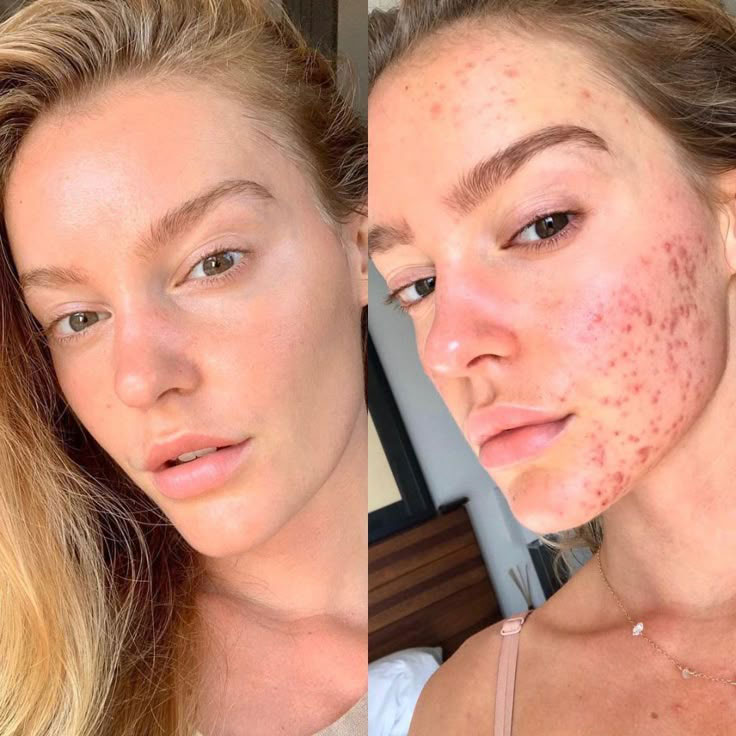
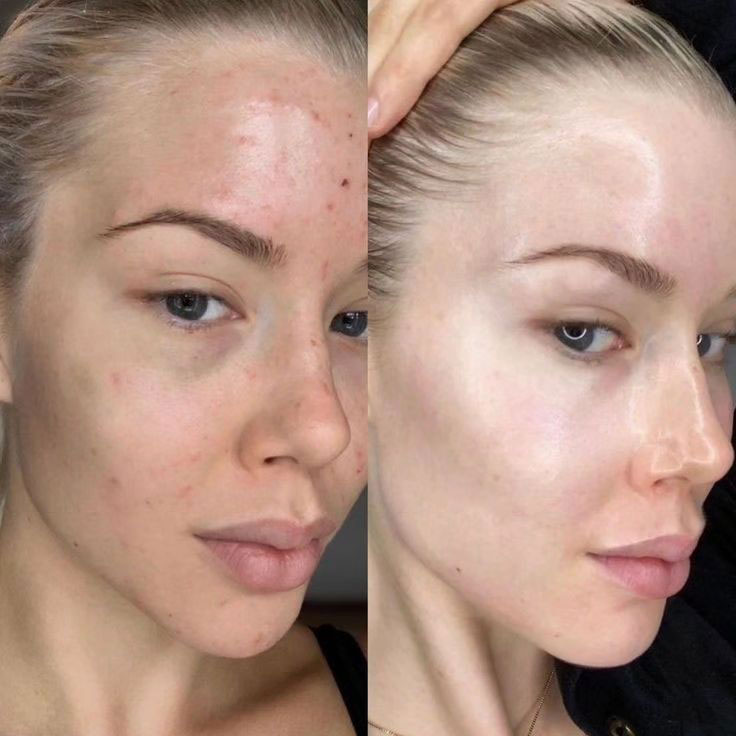
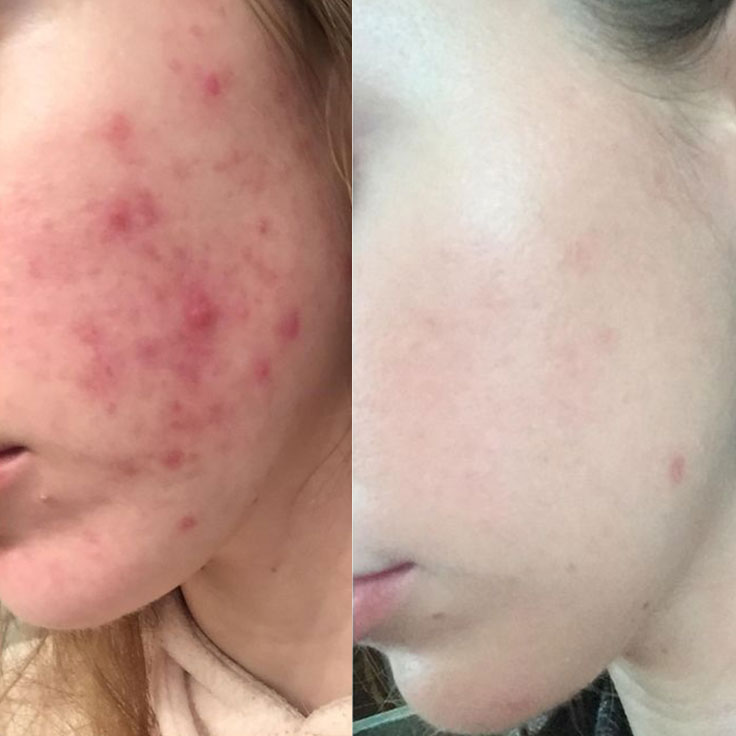
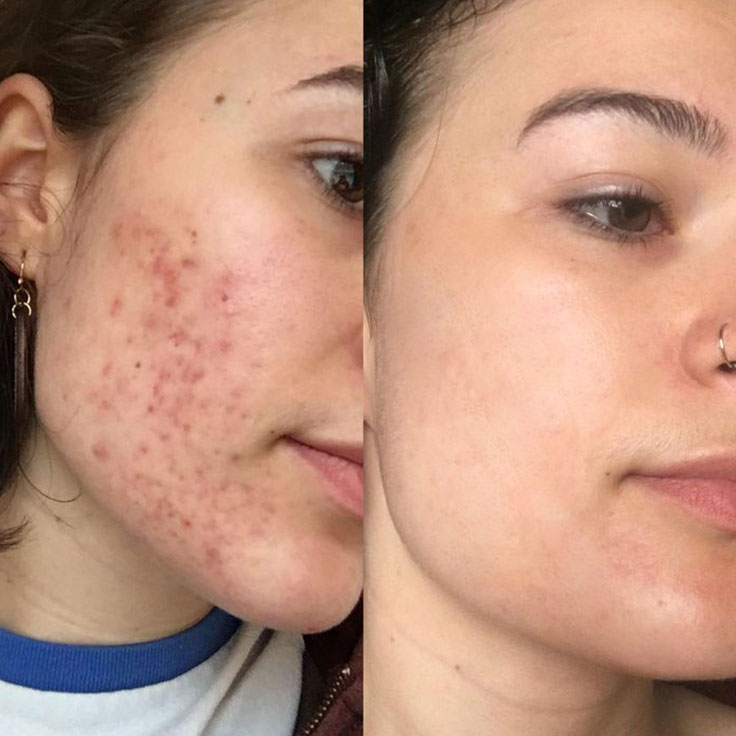
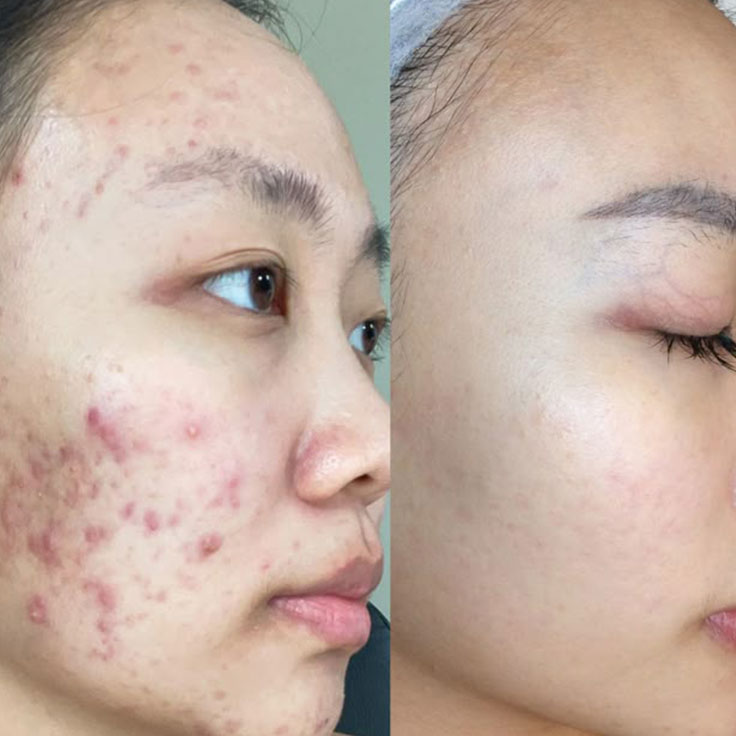
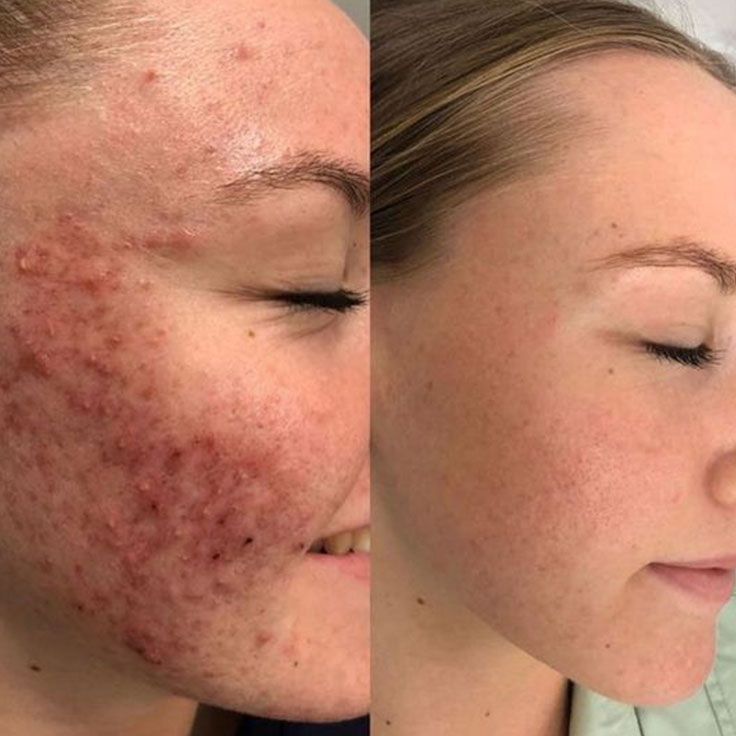
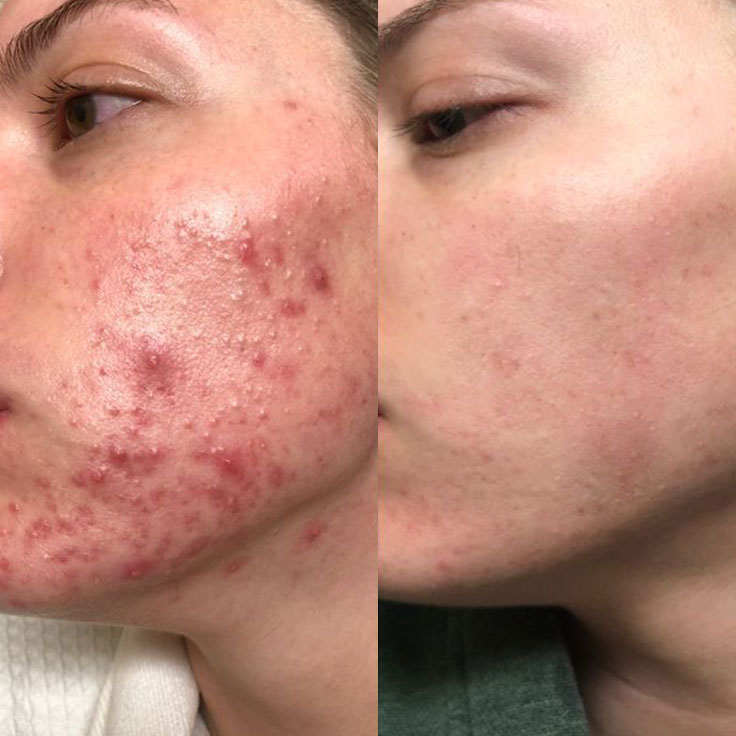
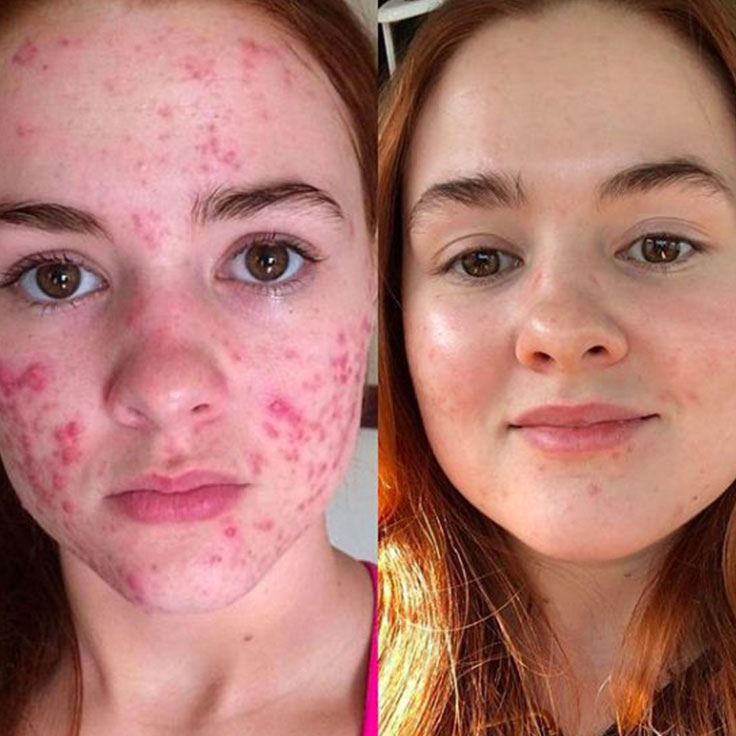
Acne BEFORE & After :