Latifa Tower 18th floor – 1806,
Sheikh Zayed Road,
Trade Center 1,
Dubai
United Arab Emirates
Say Goodbye to Eczema, Hello to Confidence.
Eczema Treatment
Scroll Down
Eczema Vulgaris
Say Goodbye to Eczema, Hello to Confidence.
Eczema (Atopic Dermatitis)
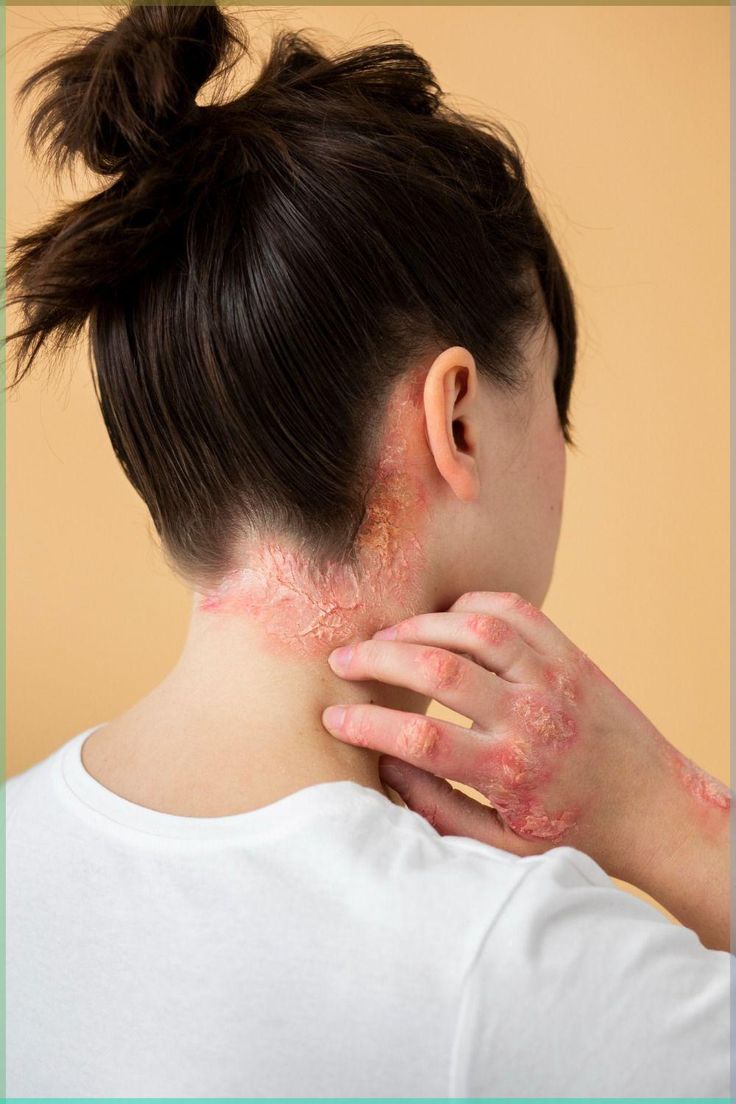
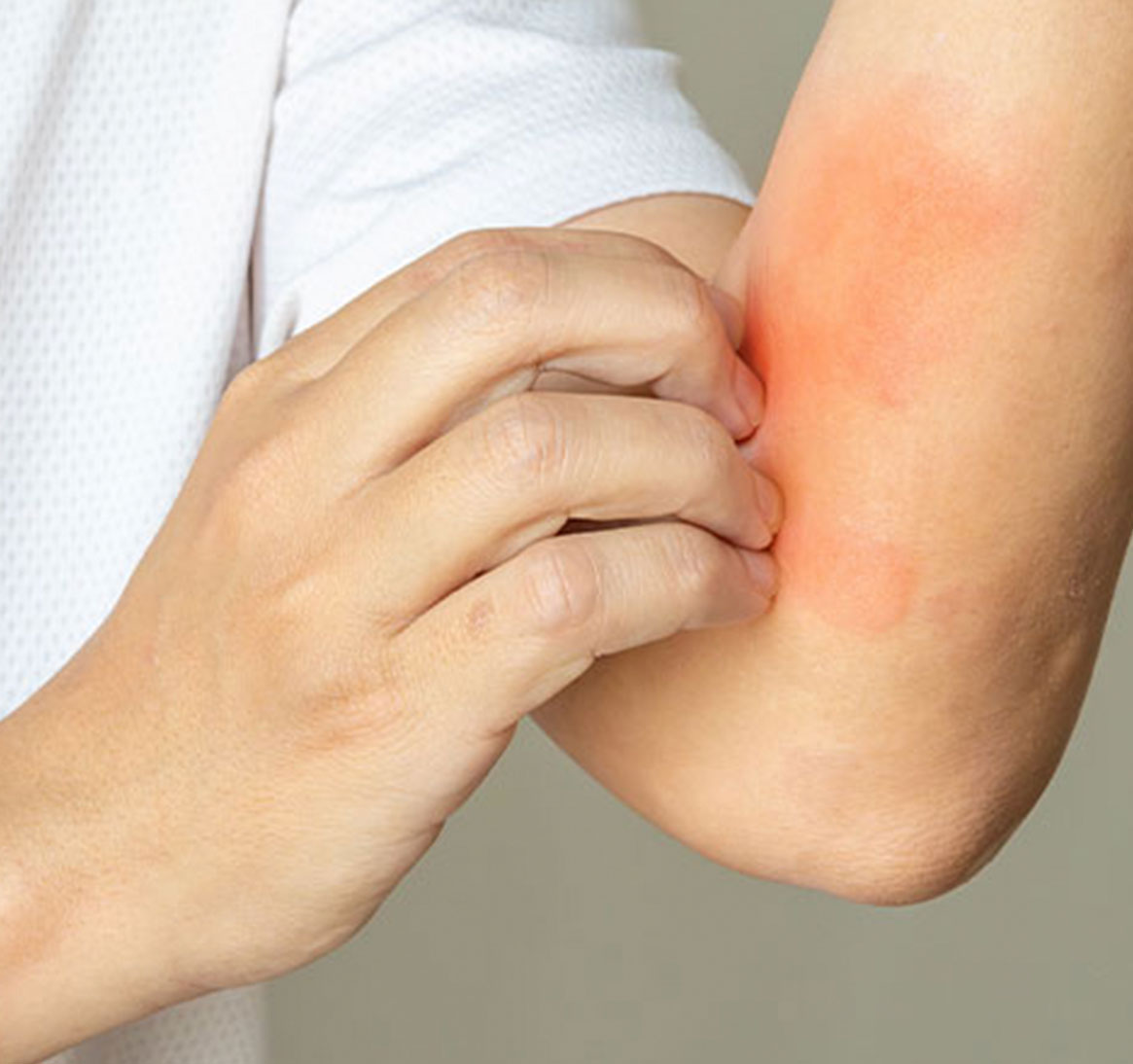
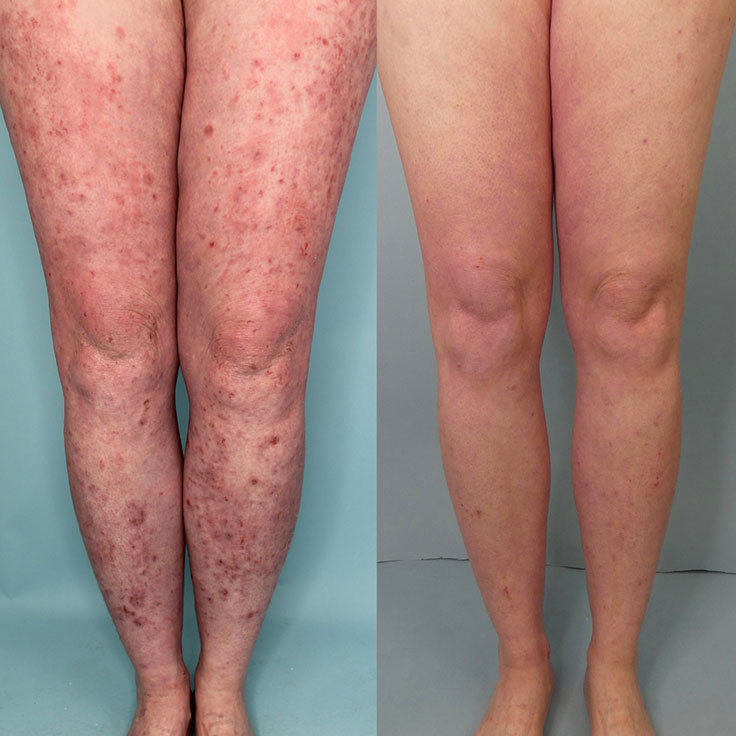
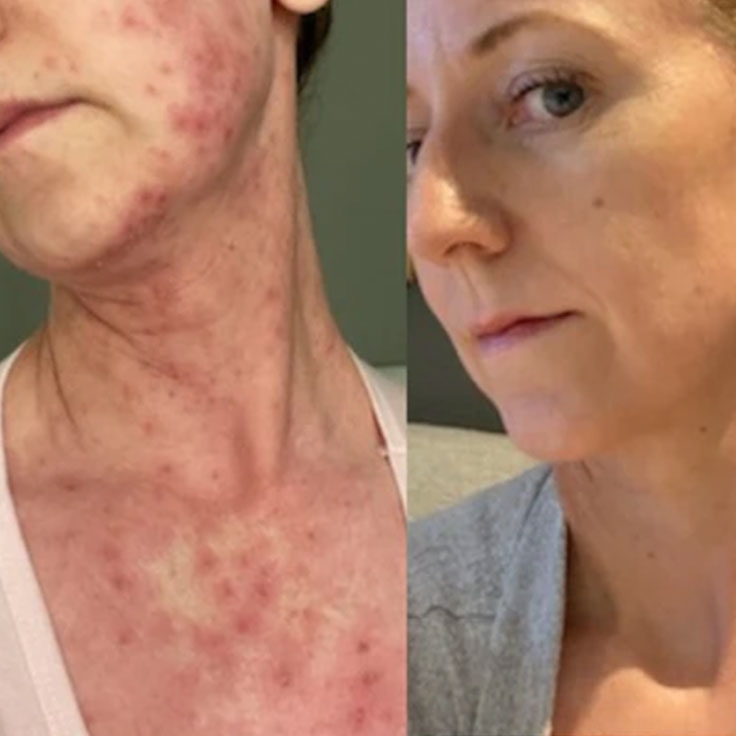
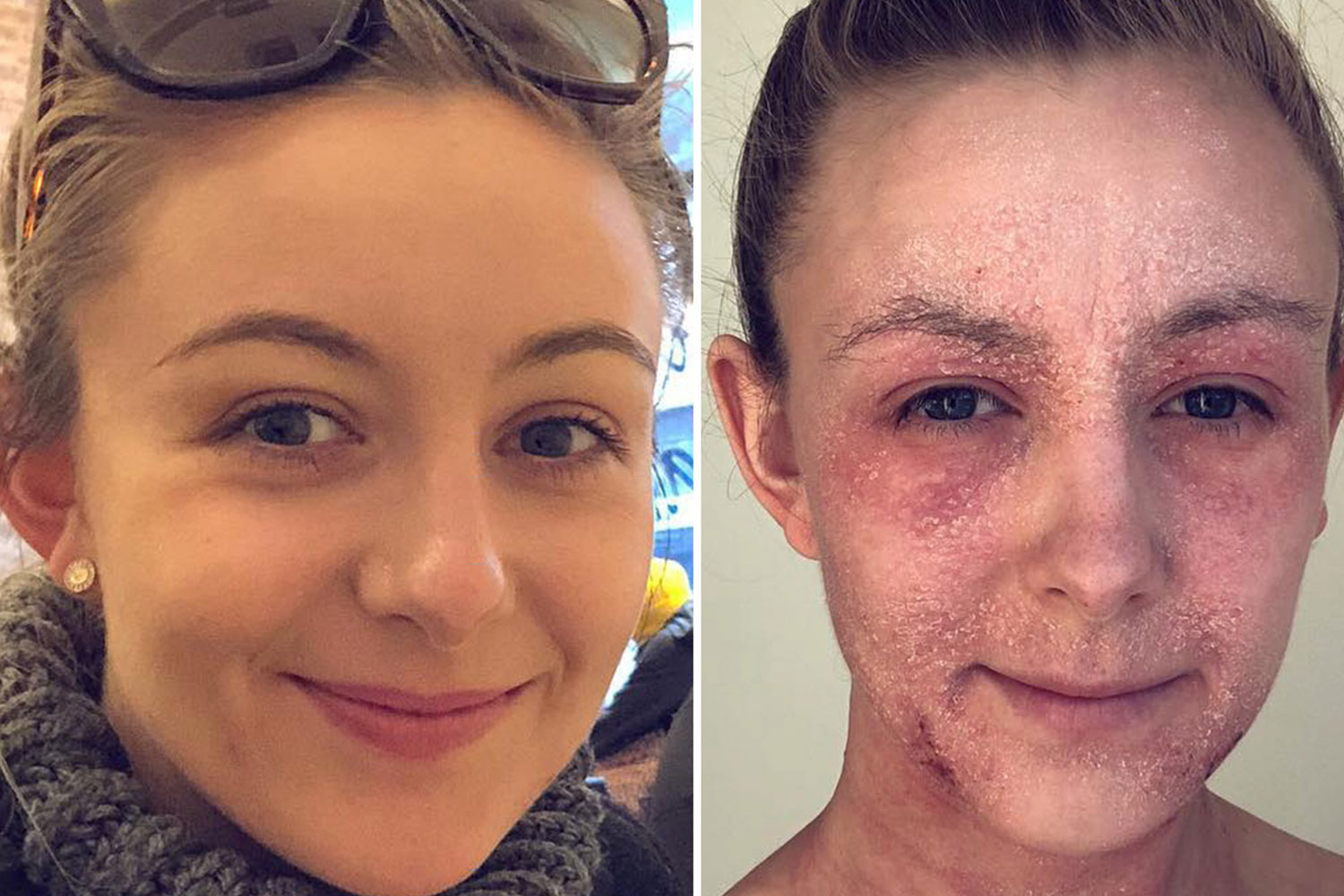
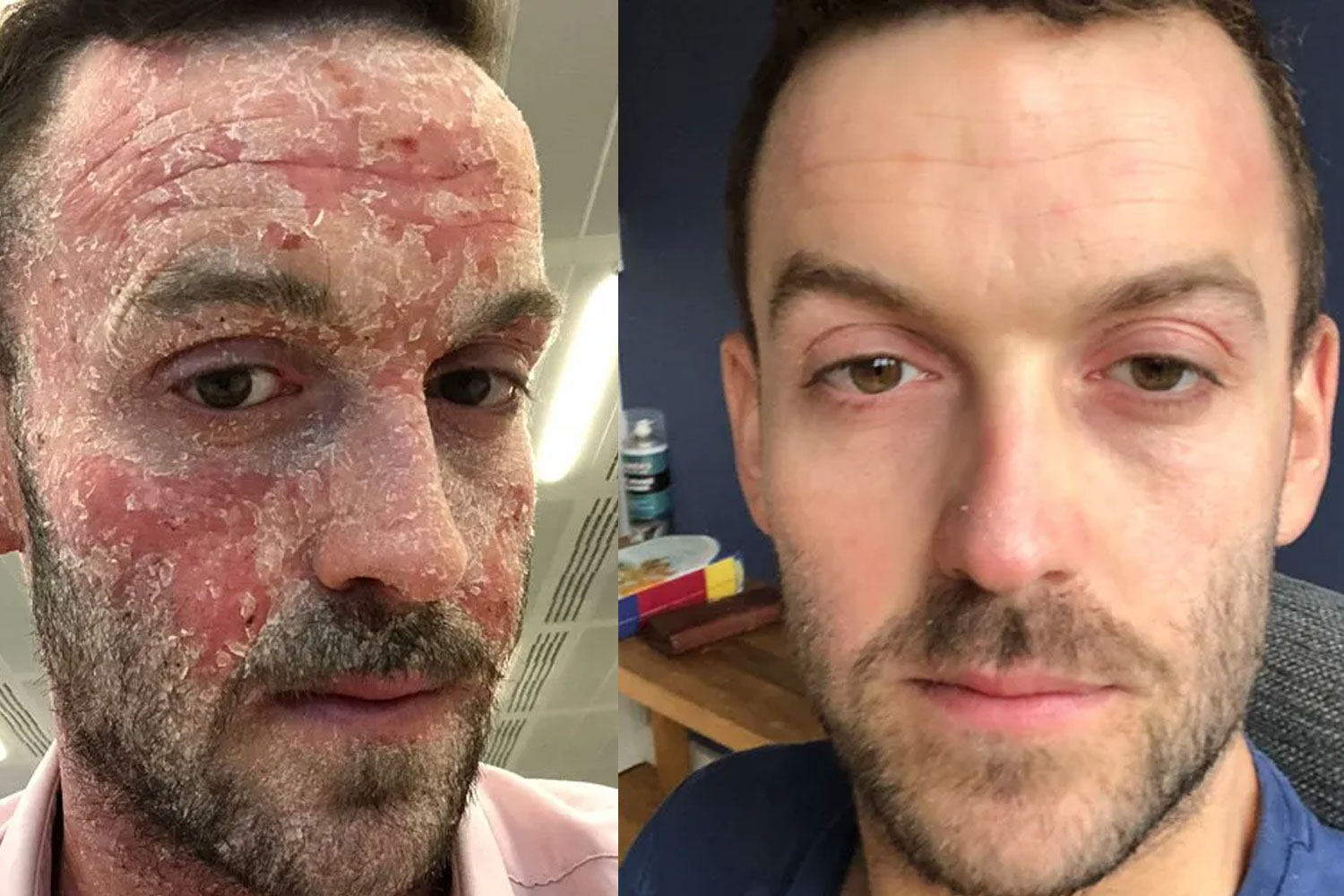
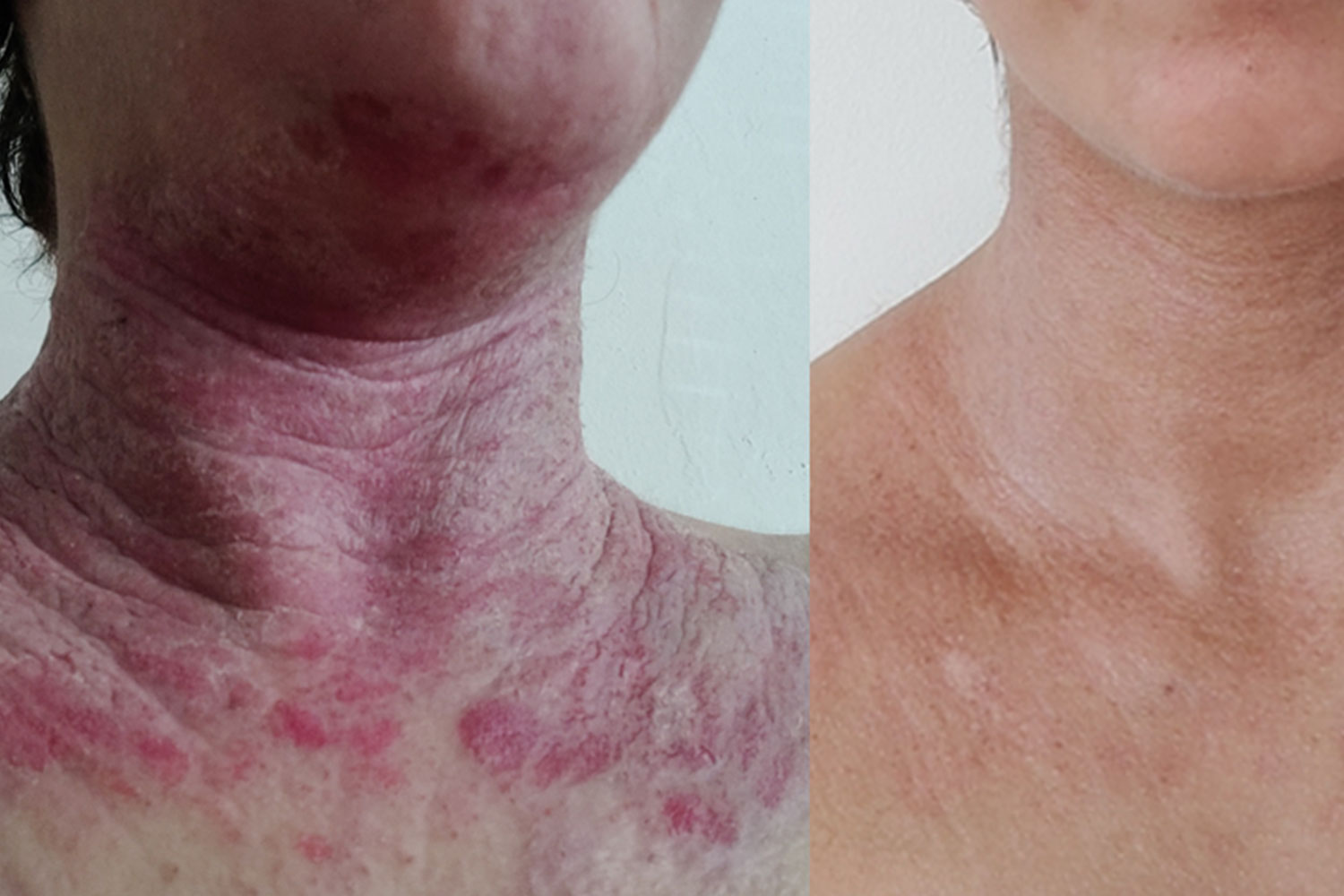
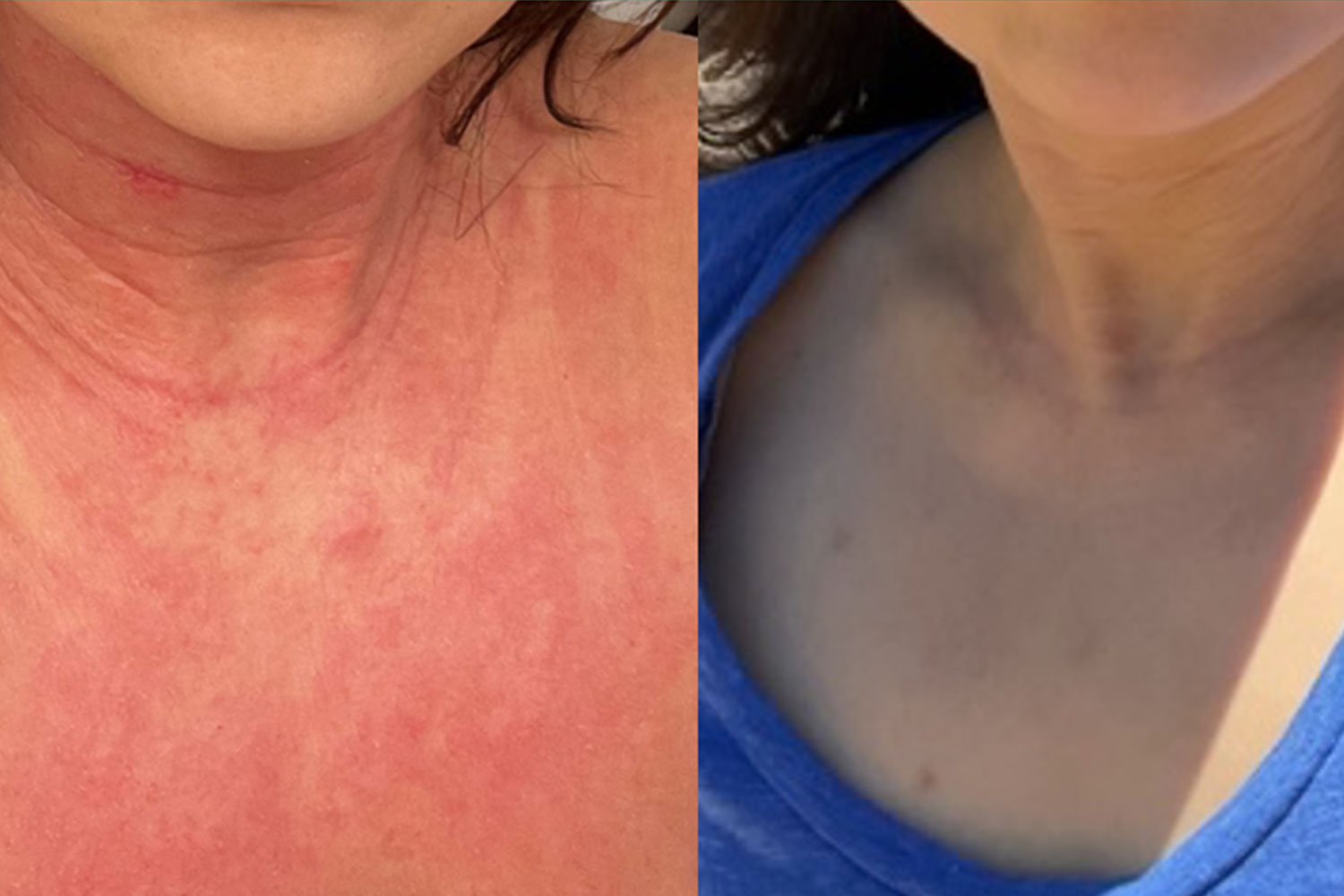
Eczema, also known as atopic dermatitis, is a chronic, relapsing inflammatory skin disorder characterized by pruritus, erythema, and a compromised skin barrier. The pathophysiology of eczema is multifactorial, involving genetic, immunologic, and environmental components. One of the primary contributors is a genetic mutation in the filaggrin gene, which plays a crucial role in maintaining the skin’s barrier integrity. A defective filaggrin protein impairs the formation of the stratum corneum, resulting in increased transepidermal water loss and reduced skin hydration. This compromised barrier allows the penetration of allergens, irritants, and microbes, which aggravates the condition and promotes chronic inflammation.
Immune dysregulation is another key factor, marked by a skewed T-helper cell response. In acute eczema, there is a dominance of Th2-type immune responses, characterized by elevated levels of interleukin (IL)-4, IL-5, and IL-13.
These cytokines promote IgE production, eosinophilic inflammation, and suppression of the skin’s antimicrobial peptides, making the skin more susceptible to infections—particularly with Staphylococcus aureus. In chronic eczema, there is a shift toward Th1 and Th22 responses, contributing to skin thickening (lichenification), hyperpigmentation, and persistent inflammation.
Environmental triggers such as allergens, harsh soaps, weather changes, stress, and microbial antigens can exacerbate the disease. The itch-scratch cycle, in which scratching leads to further skin barrier disruption and inflammation, perpetuates the condition. Neuroimmune interactions involving nerve growth factors and cytokines also play a role in pruritus.
In summary, eczema arises from a complex interplay of skin barrier defects, immune dysregulation, genetic predisposition, and environmental triggers, leading to inflammation, itching, and a vicious cycle of skin damage and flare-ups.
Self-help :
1. Apply emollients liberally and frequently:
Use fragrance-free, hypoallergenic emollients generously throughout the day, especially immediately after bathing (within 3 minutes) to lock in moisture. Ointments and thick creams are more effective than lotions for sealing the skin barrier.
2. Avoid picking, squeezing, or harsh scrubbing of lesions
Bathe with lukewarm water instead of hot water, which can strip the skin of natural oils. Avoid traditional soaps; instead, use mild, fragrance-free, non-soap cleansers with a neutral or slightly acidic pH to minimize irritation.
3. Use a humidifier in dry environments:
Indoor heating and air conditioning can lower humidity and worsen skin dryness. Using a humidifier, especially in the bedroom, helps maintain adequate moisture levels in the air, reducing transepidermal water loss and flare-ups.
4. Wear breathable cotton clothing and avoid wool:
Choose soft, loose-fitting clothes made from natural fibers like cotton, which are gentle on the skin and allow airflow. Avoid rough fabrics like wool or synthetic materials that can cause friction, irritation, and sweating.
5. Identify and avoid environmental allergens:
Recognize personal triggers such as dust mites, pet dander, pollen, or molds, and take steps to reduce exposure. Regularly clean bedding, use dust-mite-proof covers, and keep living spaces clean and well-ventilated to minimize allergen load..
Medical Management :
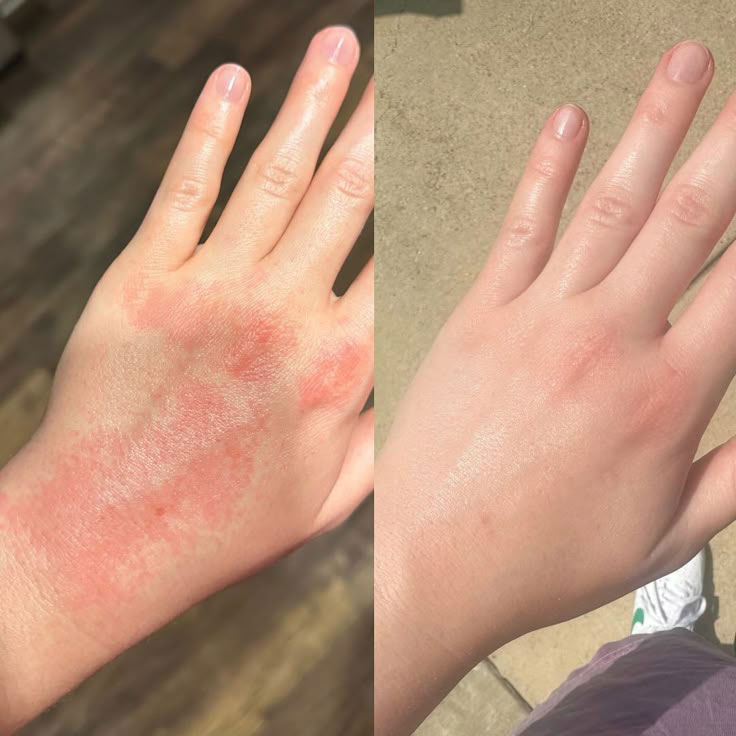
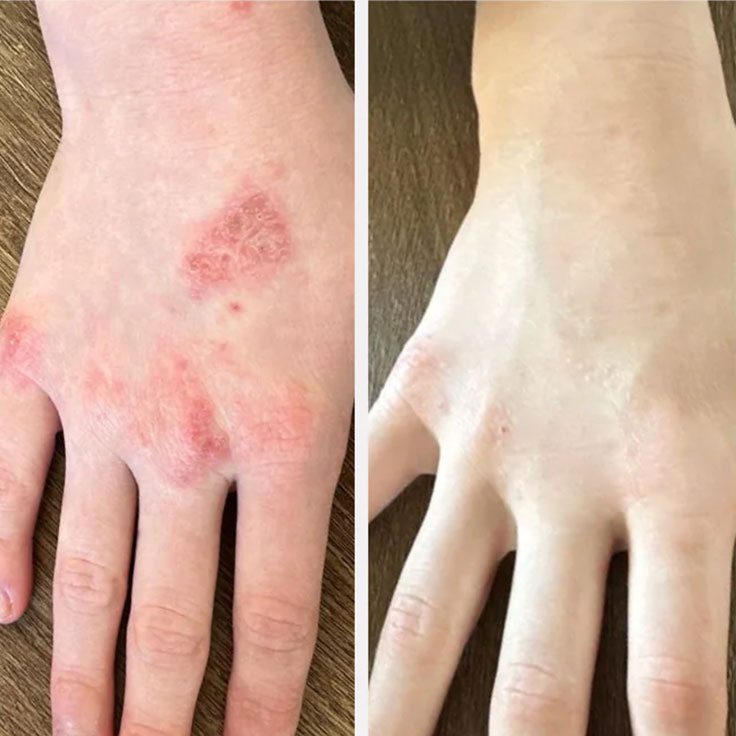
Topical: Topical treatments include corticosteroids of varying strengths to reduce inflammation, calcineurin inhibitors like tacrolimus and pimecrolimus for sensitive areas, and crisaborole for mild to moderate eczema.
Systemic: Systemic therapies involve oral antihistamines for itch relief, immunosuppressants like ciclosporin and methotrexate, and targeted biologics such as dupilumab and tralokinumab for moderate to severe cases.
Adjuncts :
Supportive therapies like wet wraps help enhance skin hydration and medication absorption, while dilute bleach baths reduce bacterial load in cases of recurrent skin infections.