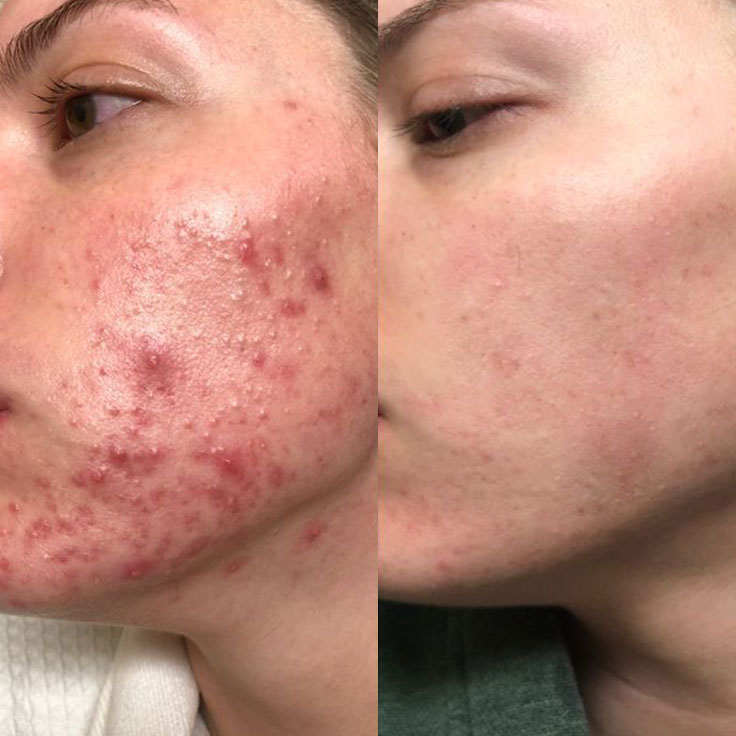
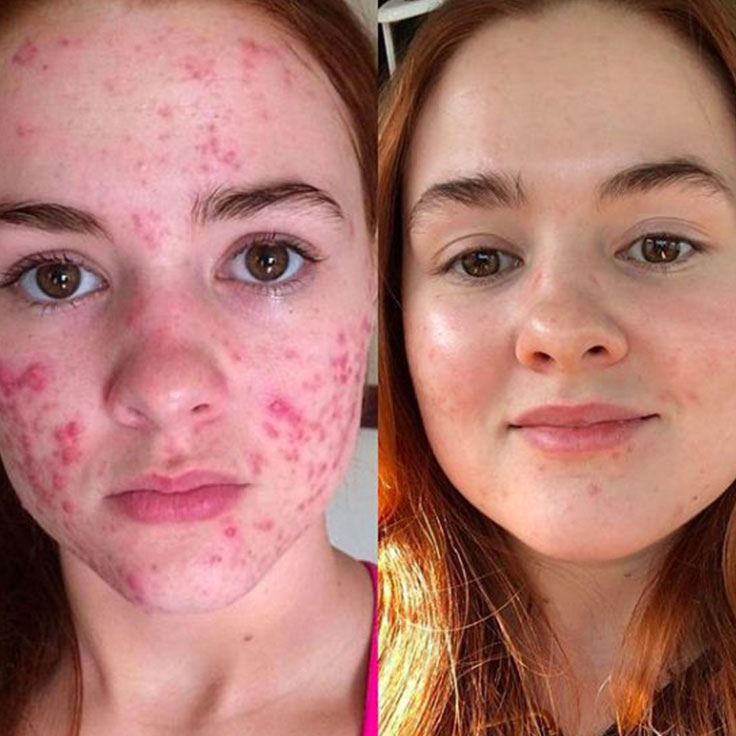
1. Use a gentle, non-comedogenic cleanser twice daily
Cleansing your face in the morning and evening helps remove excess oil, dirt, sweat, and impurities that can clog pores and worsen acne. A non-comedogenic cleanser is specially formulated not to block pores. Choose a mild, sulfate-free product that suits your skin type to avoid irritation or over-drying, which can trigger more sebum production.
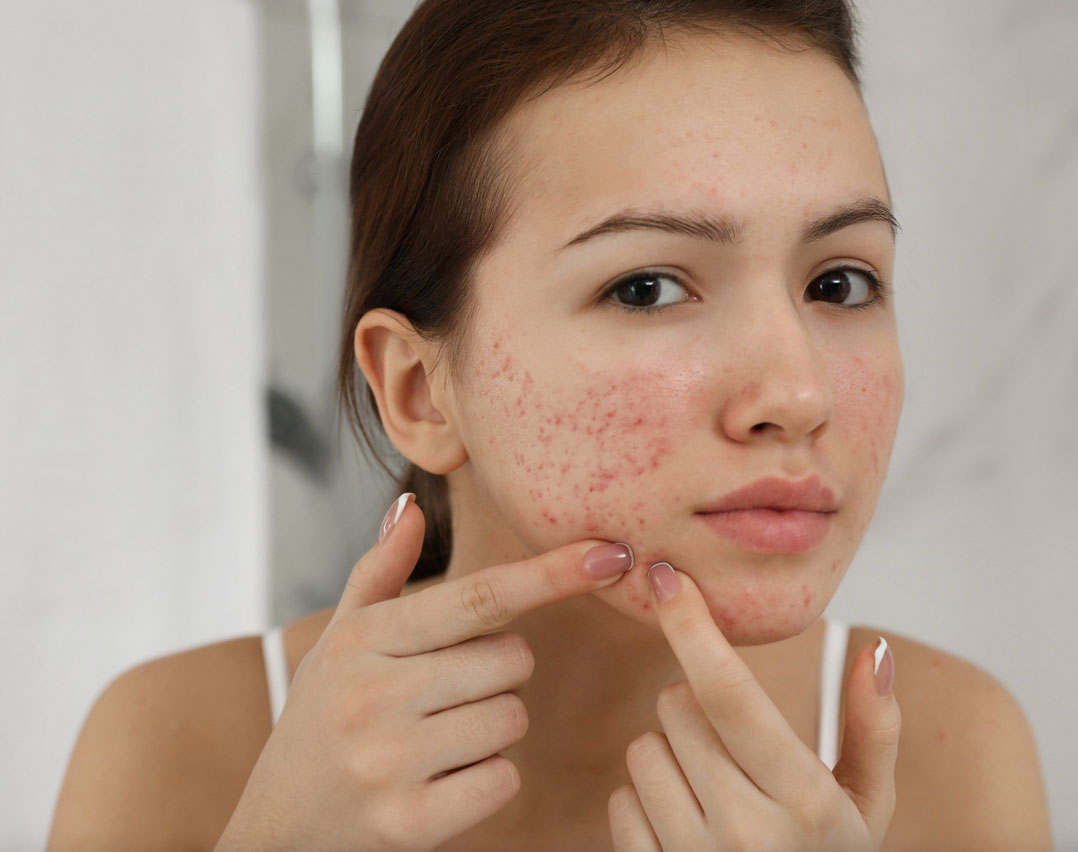
2. Avoid picking, squeezing, or harsh scrubbing of lesions
Touching or picking at acne lesions can introduce bacteria, cause inflammation, and increase the risk of scarring or hyperpigmentation. Likewise, scrubbing your skin harshly can damage the skin barrier and aggravate existing breakouts. Instead, use gentle circular motions while cleansing and allow pimples to heal naturally or under medical guidance.
3. Select oil-free skincare and cosmetics
Oil-based products can clog pores and exacerbate acne, especially for oily or acne-prone skin. Opt for oil-free, non-comedogenic, and fragrance-free moisturizers, sunscreens, foundations, and other cosmetics. These formulations are less likely to cause breakouts and help maintain a clear complexion.
4. Adopt a low-glycemic diet and manage stress
High-glycemic foods (like white bread, sugary snacks, and processed cereals) can cause spikes in blood sugar and insulin levels, which may stimulate excess sebum production and inflammation. A low-glycemic diet, rich in whole grains, vegetables, legumes, and lean proteins, supports skin health. Additionally, chronic stress elevates cortisol levels, which can also trigger or worsen acne. Stress-management techniques like yoga, meditation, and sufficient sleep can be beneficial.
5. Keep hair clean and away from the face
Hair can carry oils, sweat, and styling products that may transfer to the skin and clog pores, especially around the forehead, temples, and cheeks. Washing hair regularly and tying it back, especially while sleeping or during physical activity, helps reduce the risk of acne mechanica and contact-related breakouts.