Latifa Tower 18th floor – 1806,
Sheikh Zayed Road,
Trade Center 1,
Dubai
United Arab Emirates
Say Goodbye to Persistent Redness.
Rosacea
Scroll Down
Rosacea
Say Goodbye to Rosacea, Hello to Confidence.
Rosacea Treatment
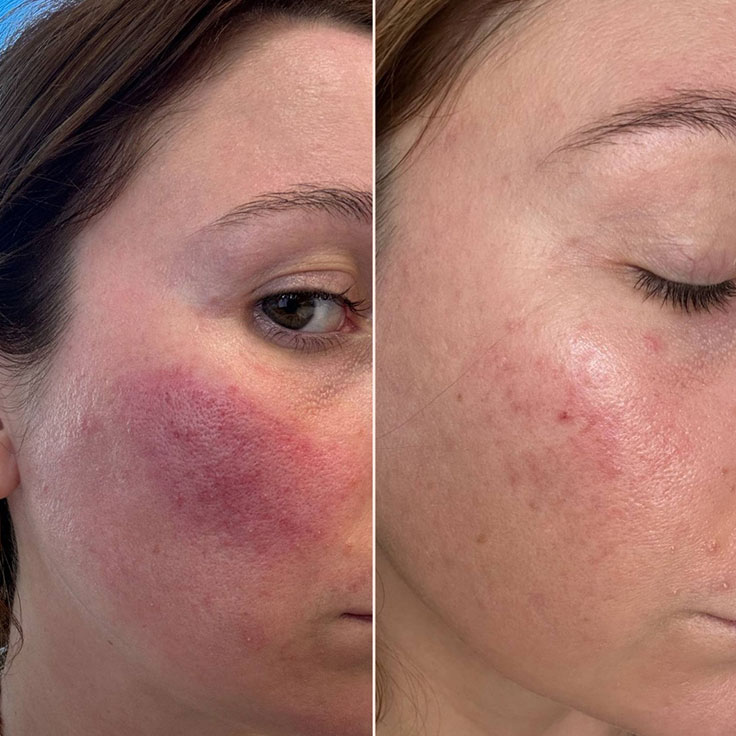
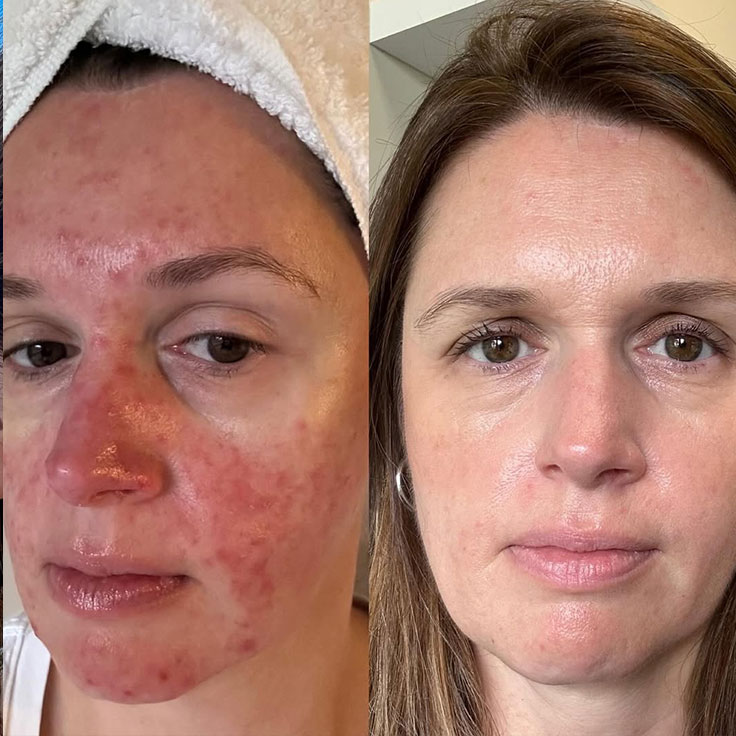
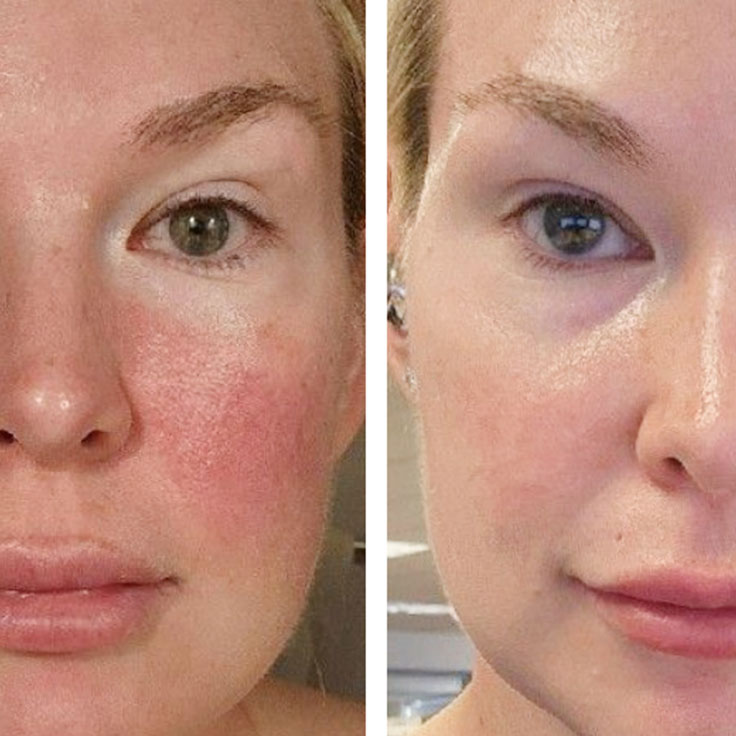
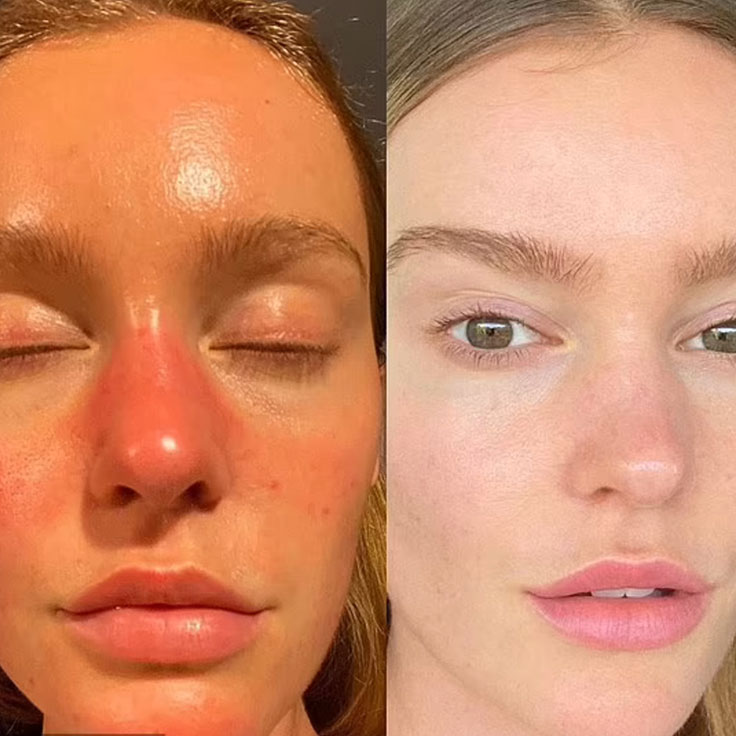
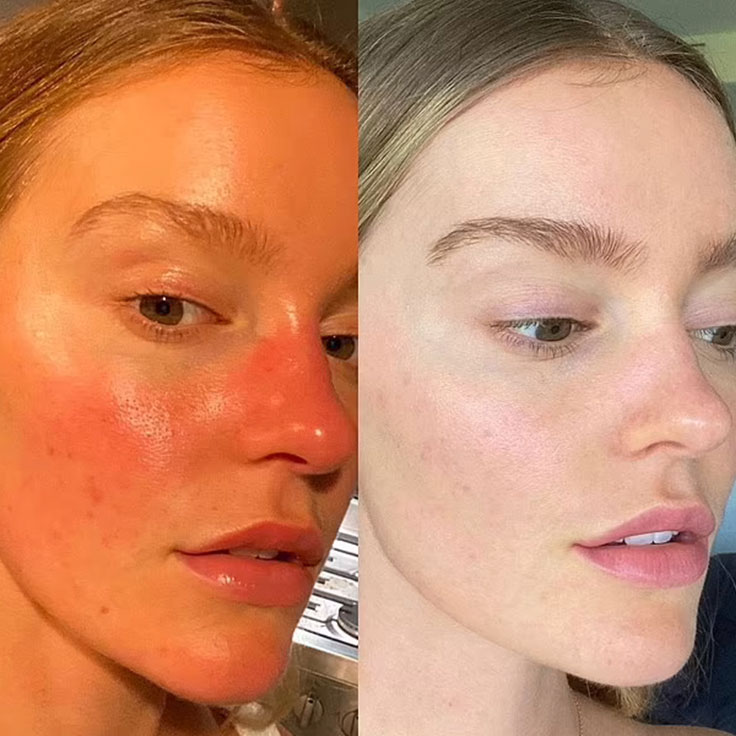
Rosacea is a chronic, relapsing inflammatory skin disorder primarily affecting the central face, including the cheeks, nose, forehead, and chin. Its pathophysiology is complex and multifactorial, involving dysregulation of the innate immune system, vascular abnormalities, and microbial factors.
At the core of rosacea is an abnormal activation of the innate immune system. Individuals with rosacea show elevated levels of cathelicidin, an antimicrobial peptide, and kallikrein 5, an enzyme that activates cathelicidin. In healthy skin, cathelicidin helps defend against pathogens, but in rosacea, it is converted into pro-inflammatory forms, leading to inflammation, angiogenesis (formation of new blood vessels), and tissue damage. This overactive immune response contributes to redness, swelling, and the development of papules and pustules.
Vascular dysregulation is another key component. Patients with rosacea often exhibit exaggerated facial flushing and persistent erythema due to increased sensitivity and hyperreactivity of cutaneous blood vessels. This results in dilated capillaries (telangiectasia) and long-standing redness, particularly in the central face. External triggers such as sunlight, heat, spicy foods, and alcohol can exacerbate these vascular symptoms by inducing neurovascular and inflammatory responses.
Additionally, Demodex folliculorum mites, which are part of the normal skin microbiota, are found in higher density in rosacea-affected individuals. These mites may act as triggers by stimulating immune responses or by carrying bacteria that aggravate inflammation. Their role, although not completely understood, is believed to be significant in promoting the inflammatory lesions of rosacea.
Overall, the pathophysiology of rosacea reflects a combination of immune dysfunction, vascular instability, and environmental or microbial triggers. Understanding these mechanisms provides insight into targeted therapies that address both inflammation and vascular abnormalities.
Self-help :
1. Identify and avoid triggers:
Recognize personal flare-up triggers such as sunlight, hot weather, stress, spicy foods, alcohol, and hot beverages. Keeping a diary can help identify patterns and prevent future flare-ups by avoiding these specific stimuli.
2. Avoid topical steroid creams:
Prolonged use of topical corticosteroids can worsen rosacea symptoms, causing rebound flare-ups, skin thinning, and increased redness. Always consult a dermatologist before using any medicated cream.
3. Apply physical sunscreen daily
Choose sunscreens with physical (mineral) blockers like zinc oxide or titanium dioxide, which are less likely to irritate sensitive skin. SPF 30 or higher is recommended, and sunscreen should be applied every morning—even on cloudy days.
Steer clear of products containing alcohol, menthol, witch hazel, glycolic acid, or synthetic fragrances. These can aggravate rosacea-prone skin. Instead, opt for formulations specifically labeled for sensitive or rosacea-prone skin.
5. Use gentle, fragrance-free cleansers
Cleanse your face twice daily with a mild, non-foaming, soap-free cleanser that won’t strip natural oils or irritate the skin. Avoid scrubbing or using rough cloths; gently pat dry with a soft towel.
Medical Management :
Topical Treatments:
Topical medications are commonly used for mild to moderate rosacea. They help reduce inflammation, redness, and pustules.
Metronidazole: An anti-inflammatory and antimicrobial gel or cream used to reduce redness and papules. It’s often well-tolerated and suitable for long-term use.
Azelaic Acid: A naturally occurring acid that helps reduce swelling, bumps, and redness. It has anti-inflammatory and antibacterial properties and also improves skin texture.
Ivermectin: An antiparasitic cream that targets Demodex mites, which are often found in higher numbers on rosacea-affected skin. It also reduces inflammation and lesions.
Brimonidine Gel: A topical vasoconstrictor used specifically for temporary reduction of facial flushing and persistent redness. It works within 30 minutes and can last up to 12 hours.
Oral Treatments:
Oral medications are usually prescribed for moderate to severe rosacea or when topical treatments are not sufficient.
Doxycycline (40 mg anti-inflammatory dose): At a sub-antibiotic dose (40 mg), doxycycline provides anti-inflammatory effects without contributing to antibiotic resistance. It’s effective for papulopustular rosacea and reduces flare-ups.
Minocycline: Another tetracycline-class antibiotic with anti-inflammatory properties. It may be prescribed when doxycycline isn’t suitable. Extended-release formulations help minimize side effects.
Rosacea Procedures :
Pulsed dye laser (PDL) and intense pulsed light (IPL) reduce redness and visible blood vessels. CO2 laser is used to reshape thickened skin in rhinophyma.
New therapies :
Topical Minocycline Foam: A newer formulation of the tetracycline-class antibiotic, minocycline foam is designed for once-daily application. It delivers anti-inflammatory and antibacterial effects directly to the skin, helping to reduce papules and pustules with minimal systemic absorption, thus lowering the risk of side effects.
Oxymetazoline Cream (1%): A topical alpha-adrenergic agonist that works by constricting dilated facial blood vessels. It is specifically approved for the treatment of persistent facial erythema (redness) associated with rosacea. Visible improvement typically occurs within hours of application and can last up to 12 hours, making it suitable for daily use.