Latifa Tower 18th floor – 1806,
Sheikh Zayed Road,
Trade Center 1,
Dubai
United Arab Emirates
Say Goodbye to Scars, Hello to Confidence.
Scars
Scroll Down
Scars (Acne & Wound Scars)
Say Goodbye to Scars, Hello to Confidence.
Scars (Including Acne and Wound Scars)
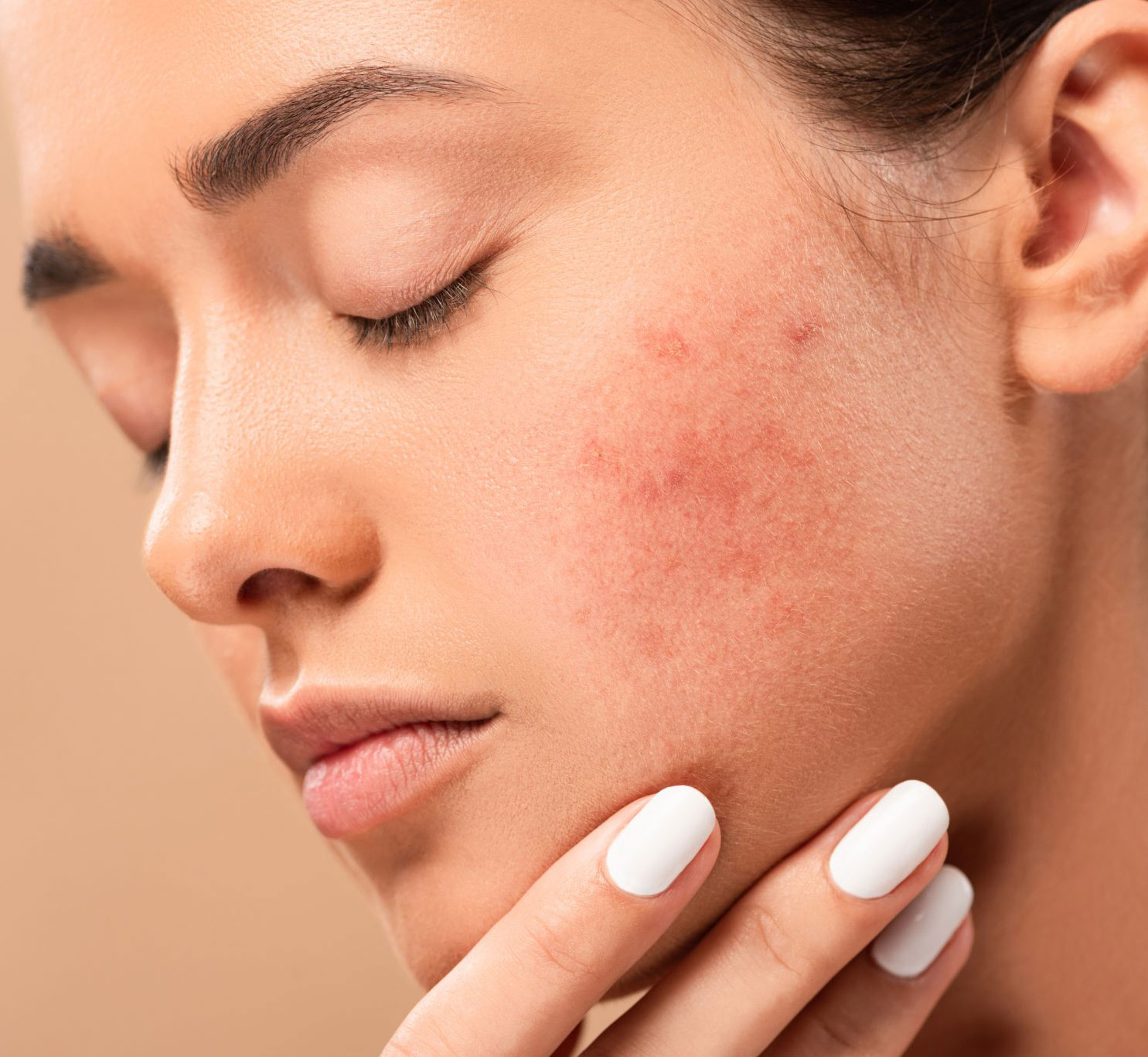
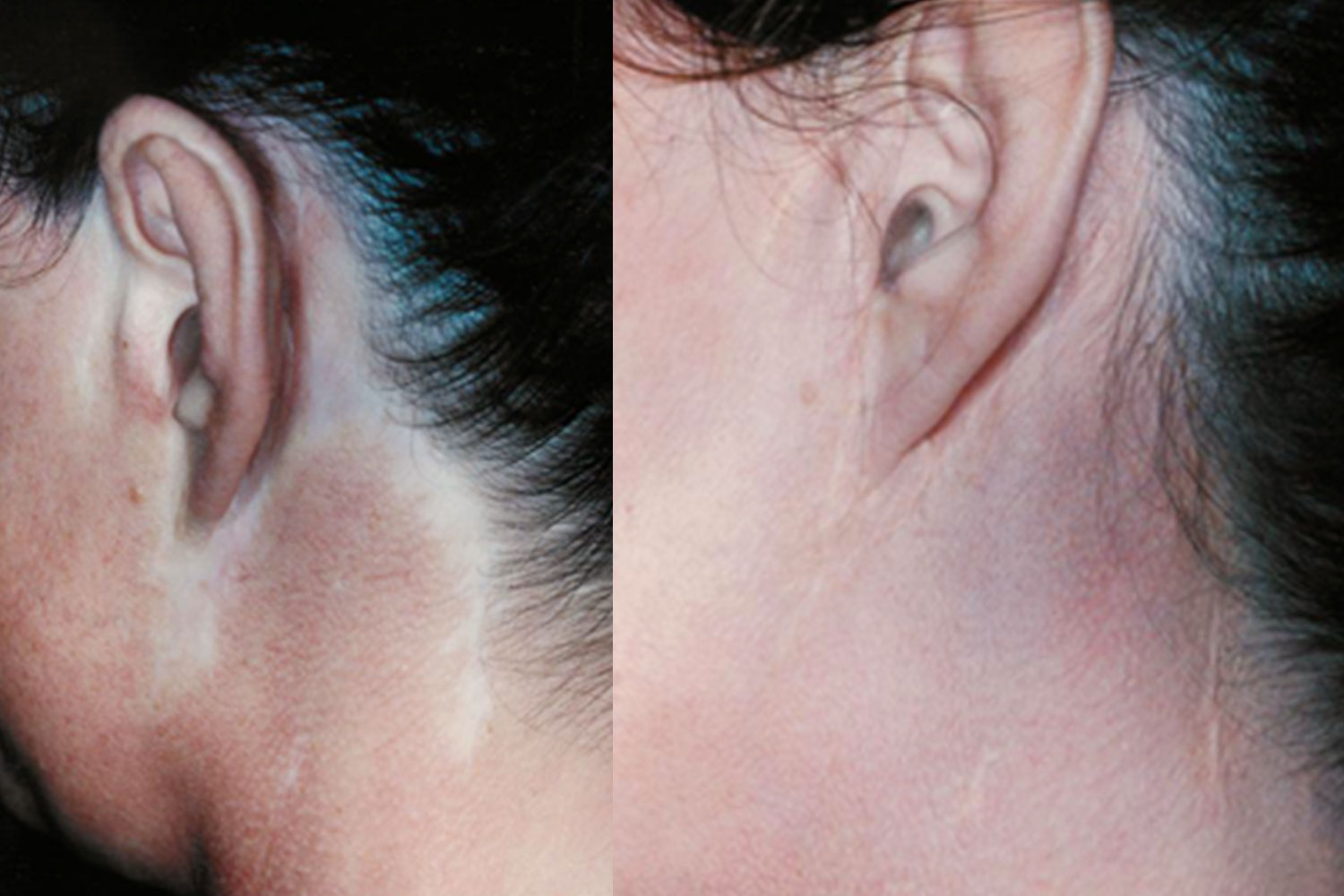
Scars, including those resulting from acne and wounds, represent the final phase of the complex wound healing process. This process occurs in three overlapping stages: inflammation, tissue proliferation, and remodeling. When the skin experiences injury—whether from acne-induced inflammation or physical wounds—the body initiates a cascade of biological events aimed at repairing the damaged tissue and restoring skin integrity.
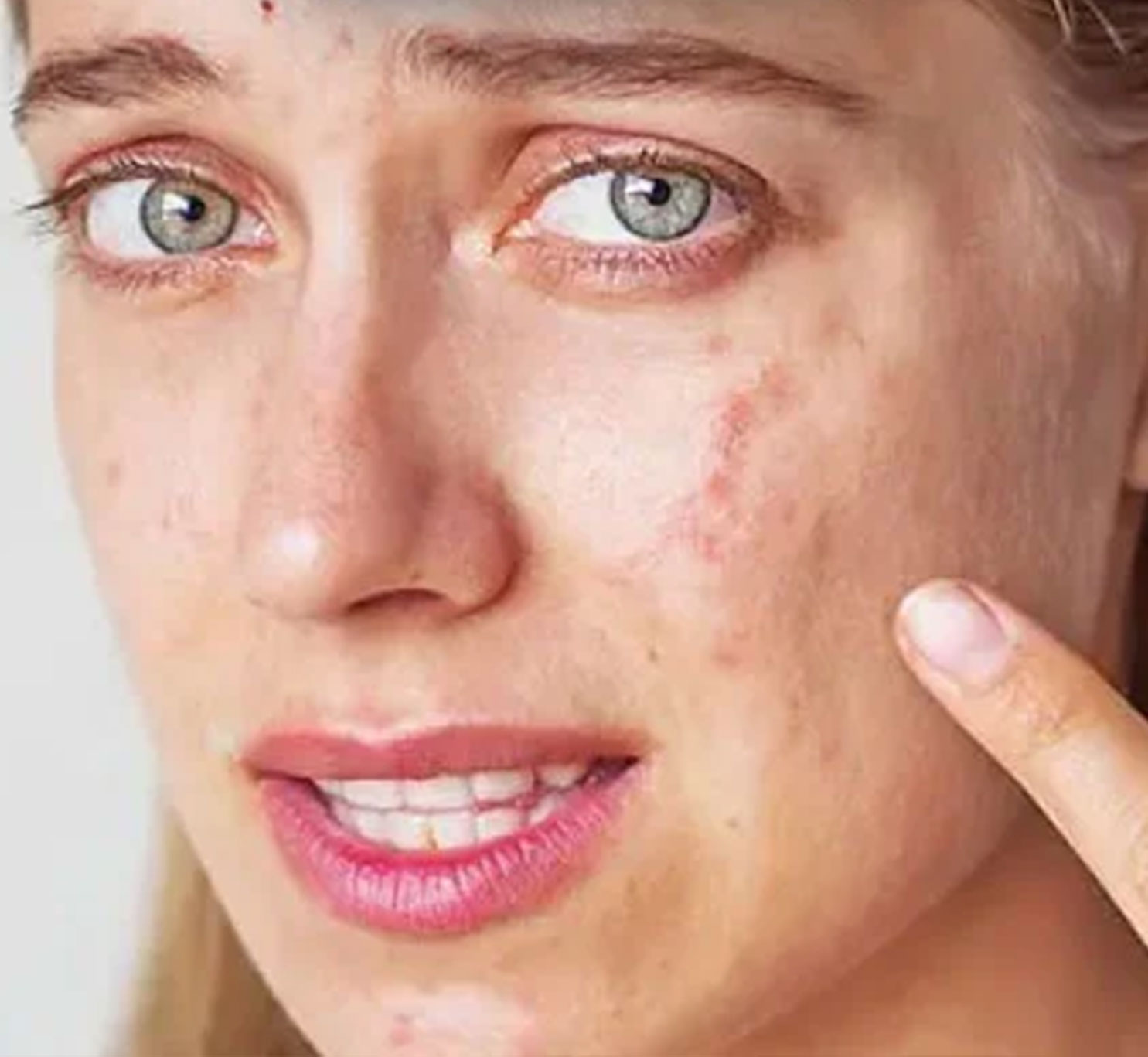
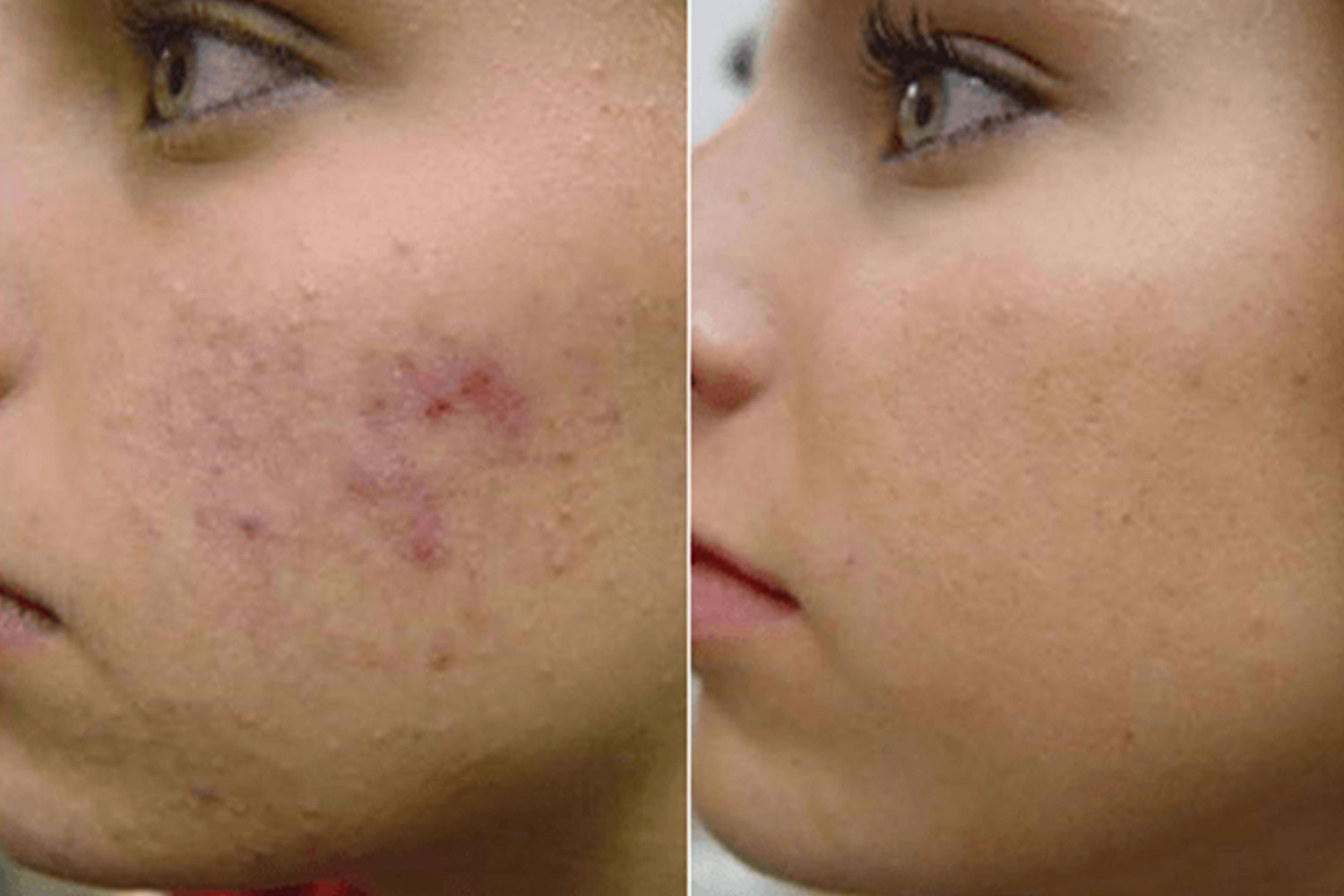
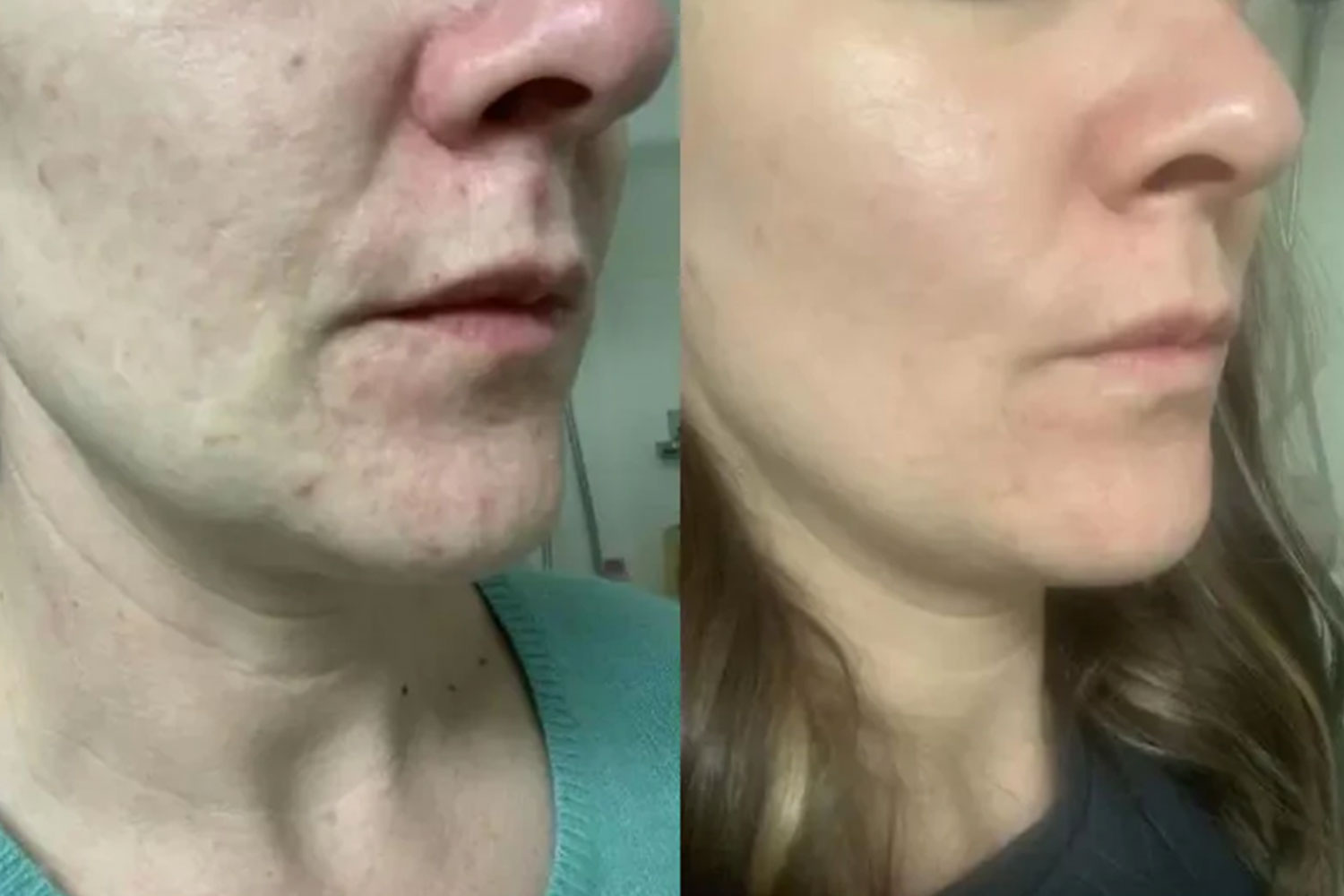
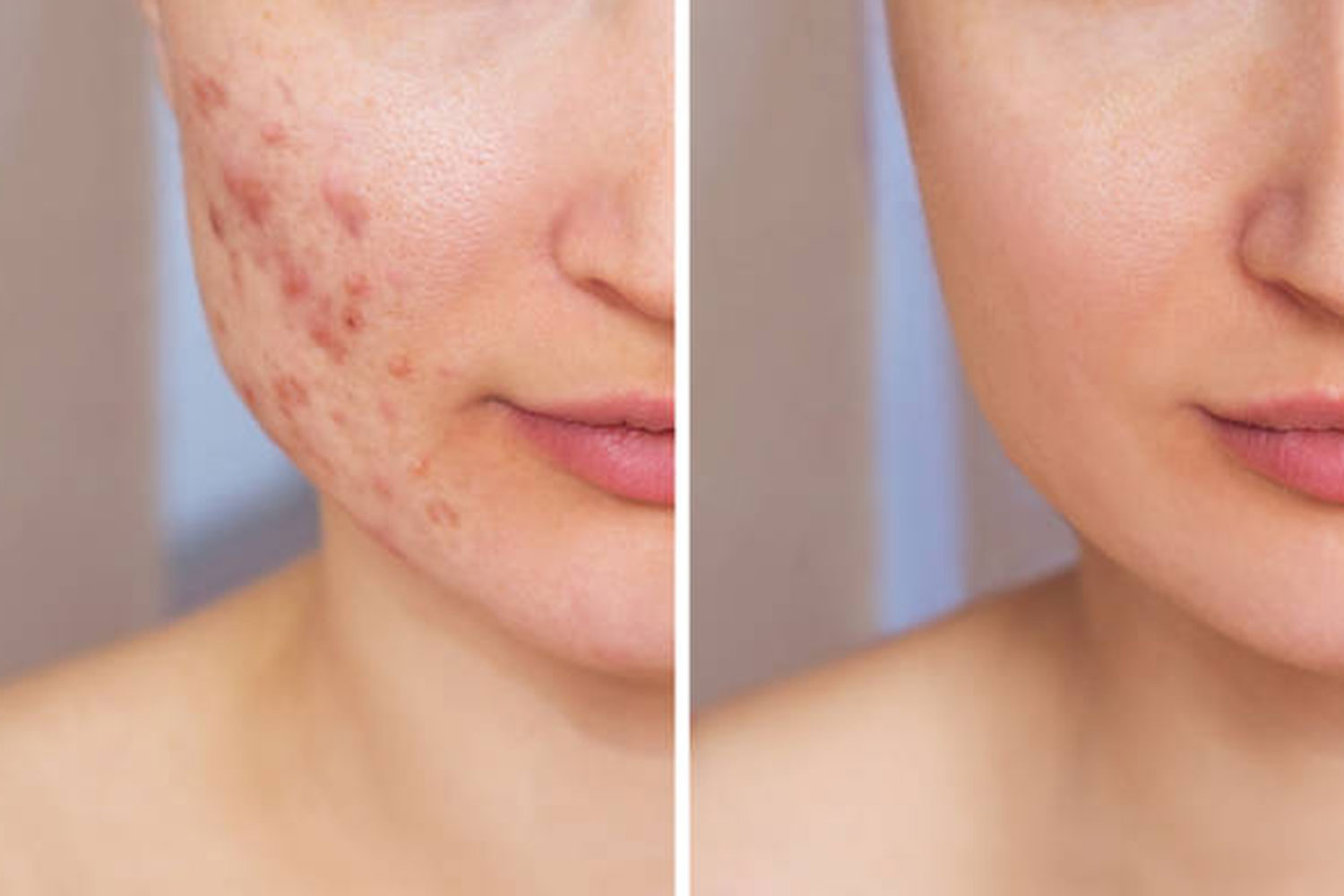
In the case of acne scars, inflammation plays a central role. Acne lesions develop when pilosebaceous units (hair follicles and their associated sebaceous glands) become clogged and rupture, releasing inflammatory mediators. This inflammation triggers the breakdown of collagen, a key structural protein in the skin, leading to tissue damage. As the body attempts to repair this damage, fibroblasts (collagen-producing cells) respond by generating new collagen fibers. However, this repair is often imperfect, causing either excessive collagen deposition or insufficient collagen formation. The result is fibrosis, which can manifest as either depressed (atrophic) or raised (hypertrophic) acne scars, depending on the nature of the collagen imbalance.
Wound scars follow a similar healing trajectory, but their final appearance depends heavily on the dynamic equilibrium between collagen synthesis and degradation during the remodeling phase. Healthy wound healing requires a tightly regulated balance; collagen must be synthesized to replace lost tissue but also properly organized and degraded to form a functional and aesthetically acceptable scar. Disruption of this balance—due to excessive fibroblast activity or disorganized collagen alignment—leads to abnormal scarring. This may present as hypertrophic scars, which are raised, thick, and confined within the wound boundaries, or keloids, which extend beyond the original wound area. Alternatively, insufficient collagen formation results in atrophic scars, characterized by sunken, depressed areas of skin.
Overall, the pathophysiology of scarring is a multifactorial process influenced by the intensity and duration of inflammation, the activity of fibroblasts, collagen metabolism, and individual genetic factors. Understanding these mechanisms is crucial for developing effective treatments aimed at minimizing scar formation and improving skin healing outcomes.
Self-help :
1. Protect healing wounds from sun exposure using SPF 30+:
Use a mild, non-irritating cleanser to remove excess oil and reduce inflammation without disrupting the skin barrier.
2. Avoid picking or irritating healing lesions:
Minimizing trauma to wounds reduces inflammation and prevents worsening or enlargement of scars.
3. Apply silicone gel or sheeting to reduce scar formation:
Silicone products help regulate collagen production and hydrate the skin, leading to softer, flatter scars.
4. Use moisturizers to keep the area hydrated and promote remodeling:
Keeping scars moisturized supports skin elasticity and aids the natural remodeling process for improved healing.
Scars Procedures :
Scars (Including Acne and Wound Scars) – Procedural Treatments: Techniques like microneedling, chemical peels, subcision, and punch excision stimulate collagen production and improve skin texture. Dermal fillers restore volume in atrophic scars. Advanced lasers (CO2 fractional, Er:YAG), radiofrequency devices, and PRP promote skin remodeling and scar reduction for smoother, more even skin.
Injections :
Intralesional corticosteroids reduce inflammation and flatten hypertrophic or keloid scars. 5-Fluorouracil (5-FU) injections help inhibit abnormal scar tissue growth, improving scar appearance.
PRP Needling :
Scars (Including Acne and Wound Scars) – PRP Needling: PRP needling combines microneedling with platelet-rich plasma to boost collagen production and accelerate healing, leading to improved texture and reduced scar visibility.
New therapies :
Scars (Including Acne and Wound Scars) – New Therapies: Emerging treatments like stem cell-based therapies and laser-assisted drug delivery aim to enhance tissue regeneration and improve scar healing by promoting targeted repair at the cellular level.