Latifa Tower 18th floor – 1806,
Sheikh Zayed Road,
Trade Center 1,
Dubai
United Arab Emirates
Say Goodbye to Seborrheic Dermatitis, Hello to Confidence.
Seborrheic Dermatitis
Scroll Down
Seborrheic Dermatitis
Say Goodbye to Seborrheic Dermatitis, Hello to Confidence.
Seborrheic Dermatitis
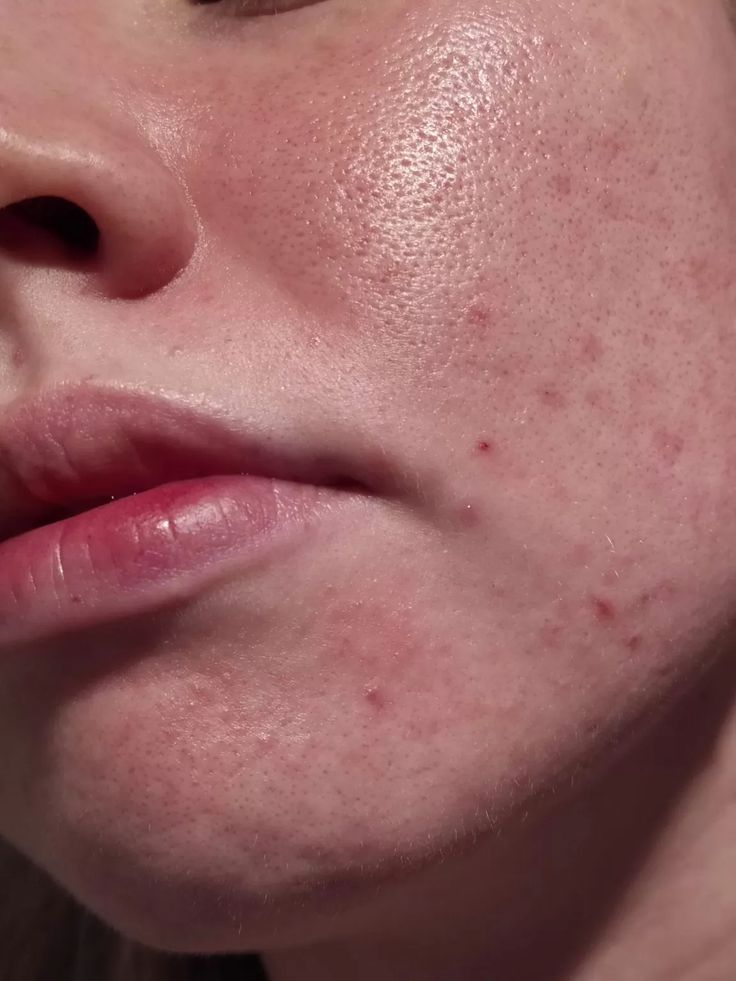
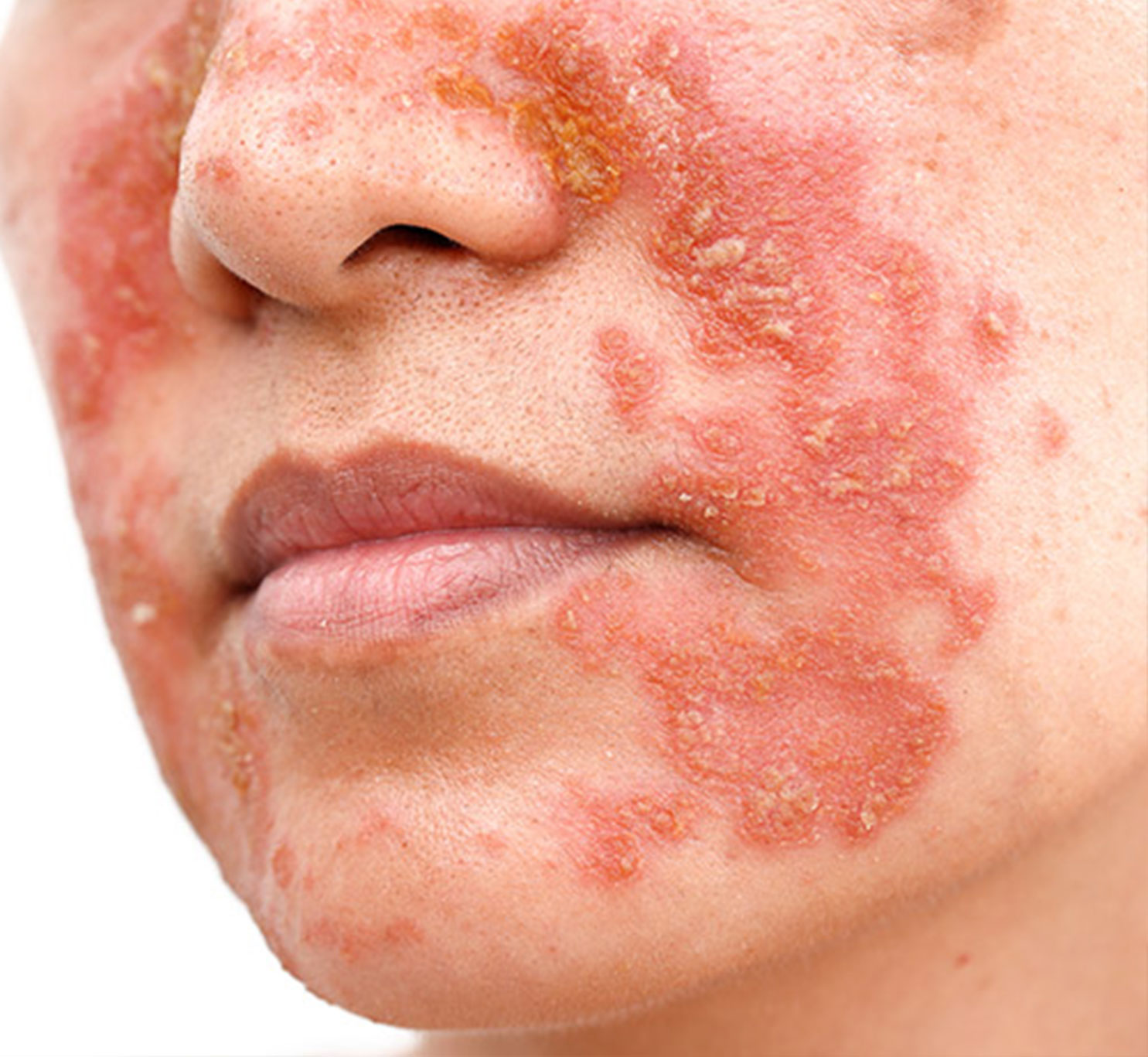
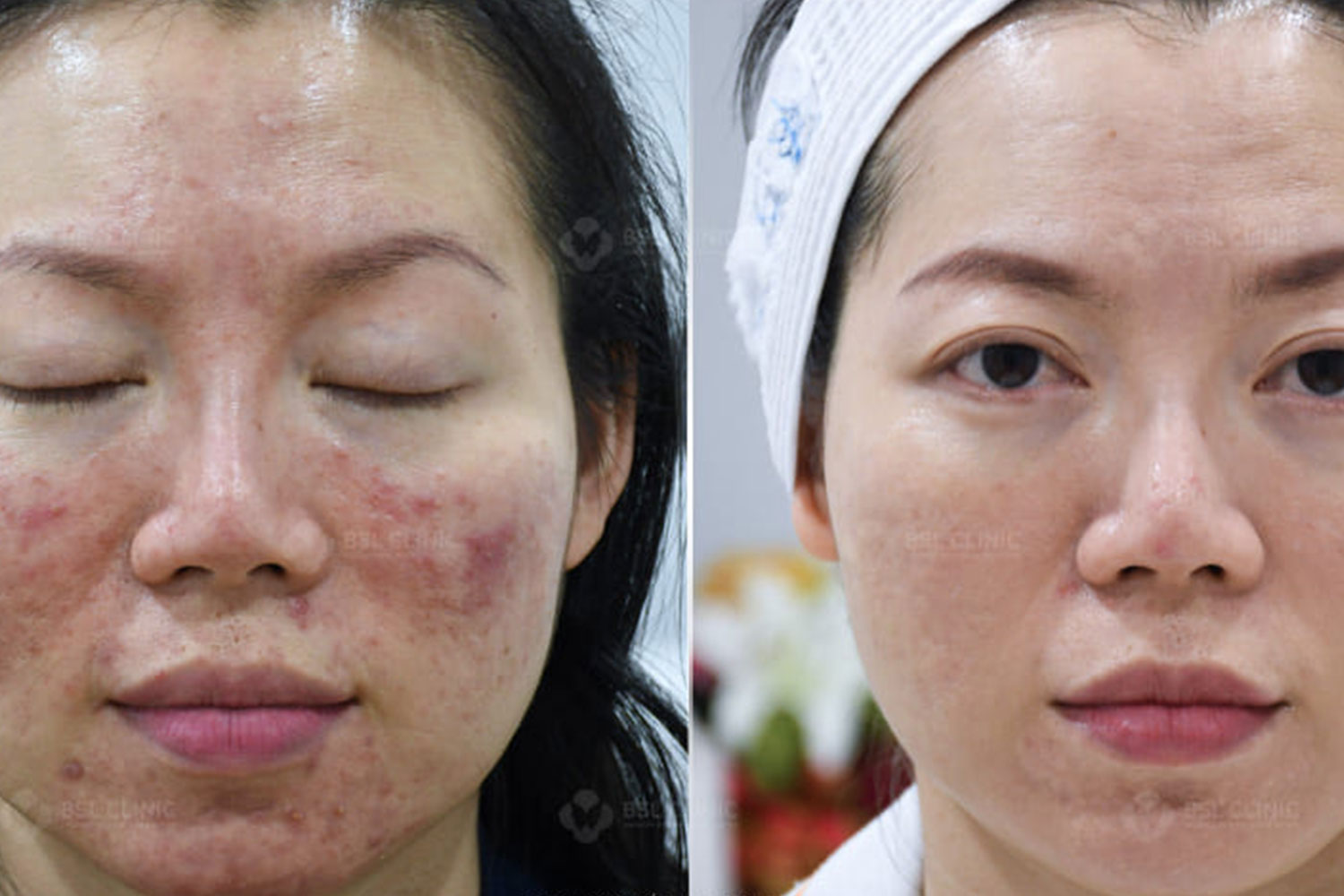
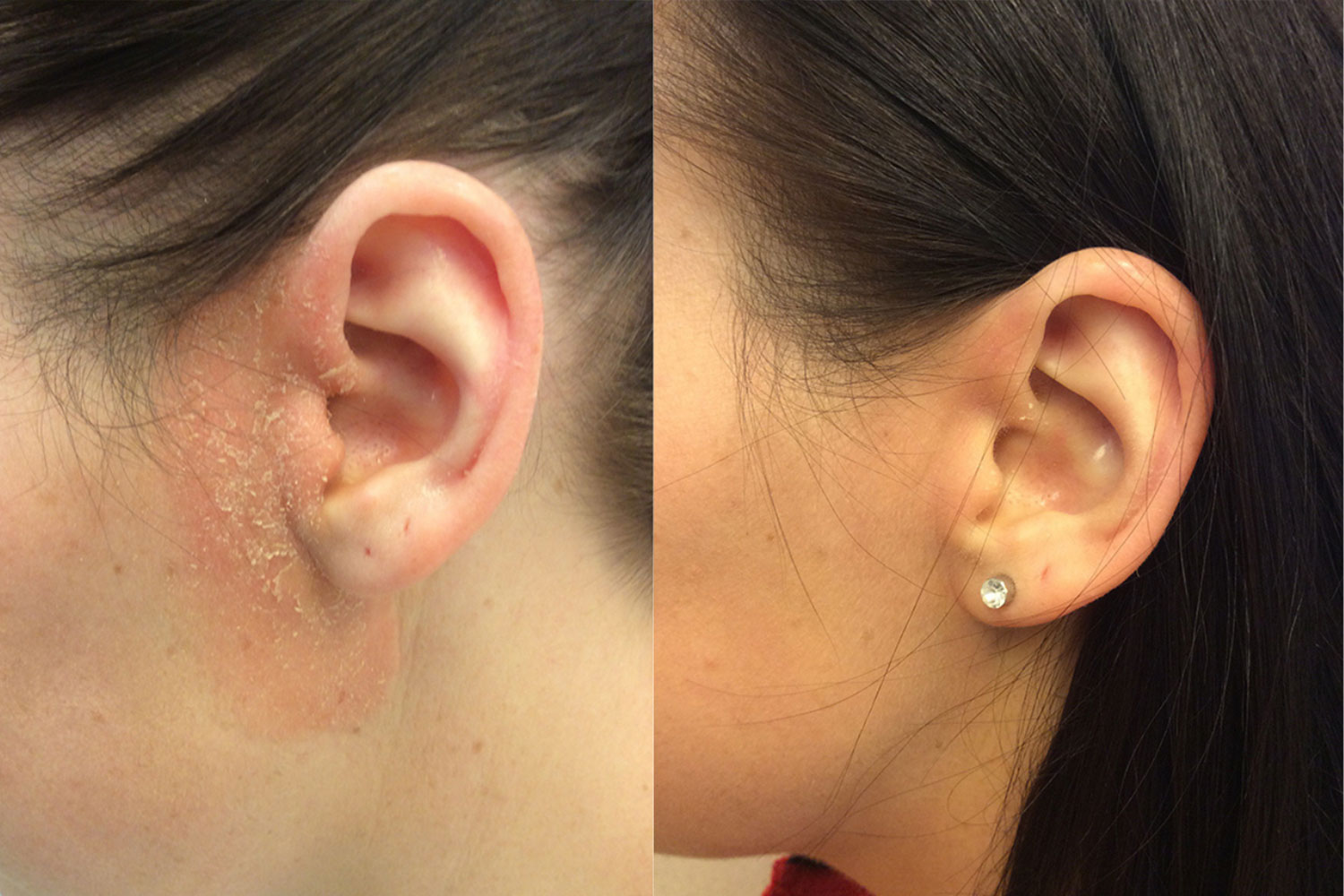
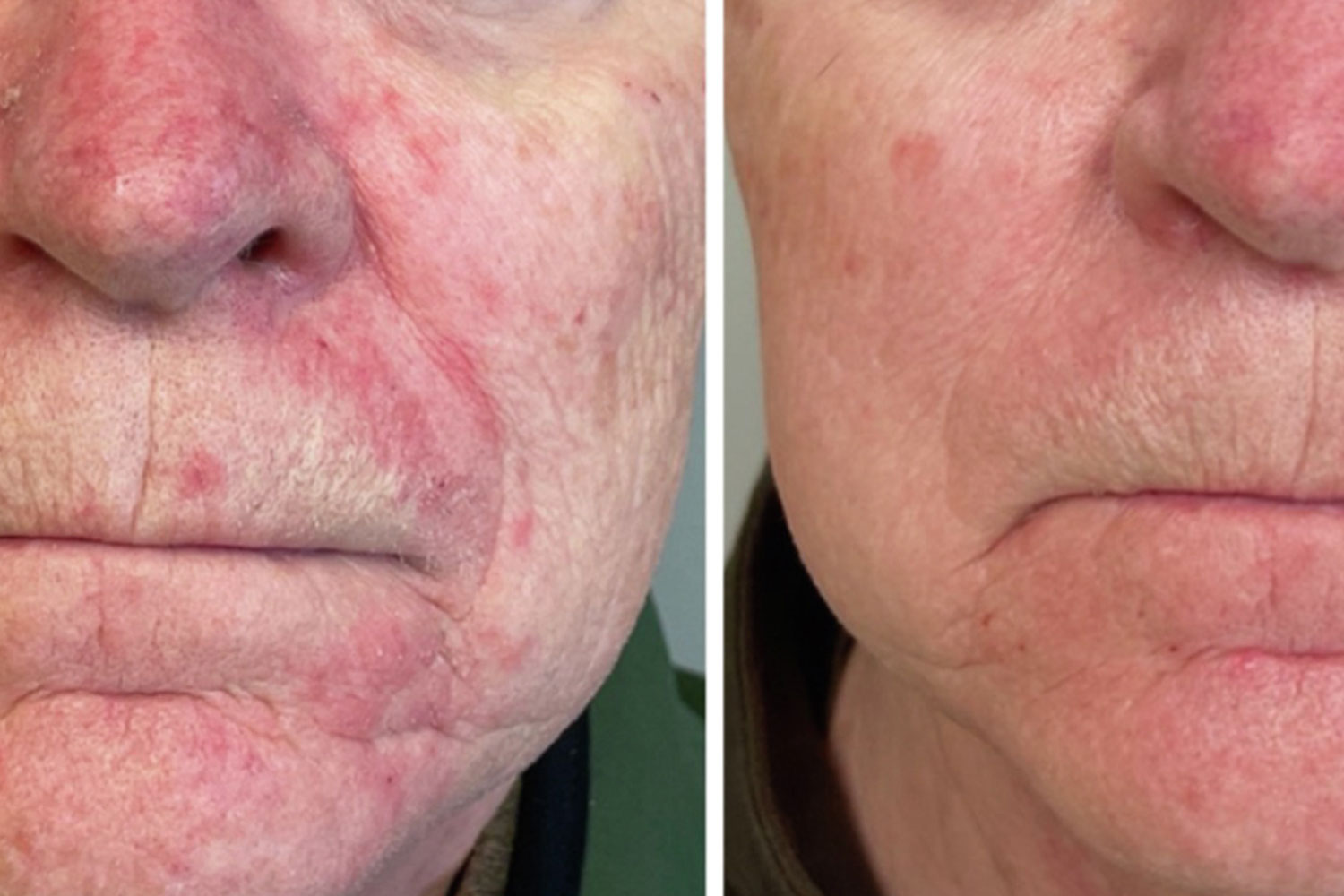
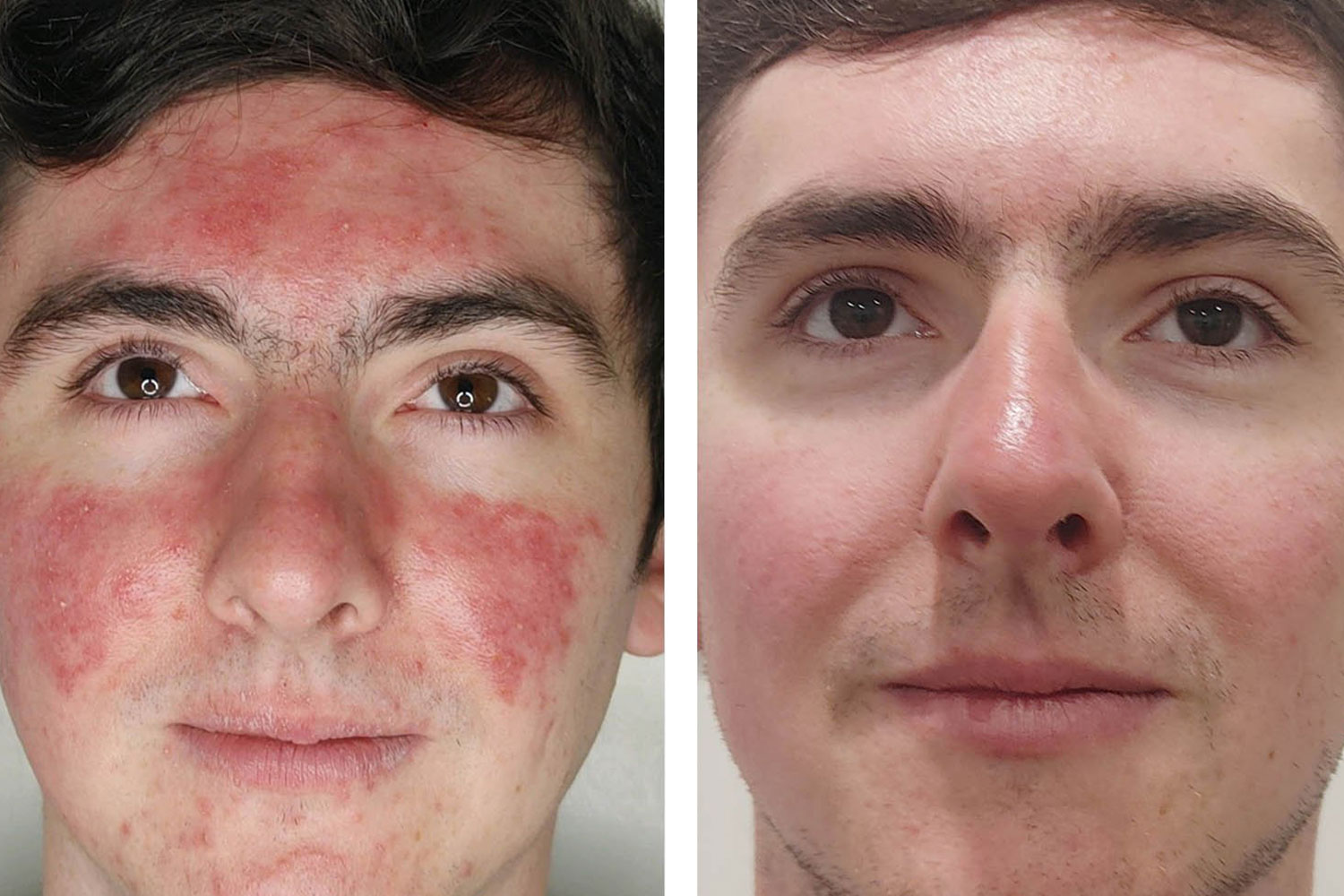
Seborrheic dermatitis is a chronic, relapsing inflammatory skin condition primarily affecting sebum-rich areas such as the scalp, face (especially the nasolabial folds, eyebrows, and eyelids), chest, and upper back. It is characterized by erythematous (red), scaly, greasy patches and dandruff, and its severity may fluctuate with stress, seasonal changes, or immune status.
The underlying pathophysiology involves an abnormal inflammatory response to Malassezia species, a genus of lipophilic yeasts that are part of the normal skin flora. In susceptible individuals, Malassezia breaks down sebum into irritating free fatty acids, triggering local inflammation. This response is thought to be exaggerated in people with genetic predisposition, impaired skin barrier function, or altered immune responses.
Although Malassezia is a key factor, seborrheic dermatitis is multifactorial. Genetic factors may lead to differences in skin barrier integrity or immune regulation. Environmental triggers such as cold, dry weather, emotional stress, and hormonal changes often exacerbate symptoms. Additionally, the condition is more severe or persistent in patients with neurological disorders (e.g., Parkinson’s disease), HIV/AIDS, or other immunosuppressive conditions, highlighting the role of immune dysfunction in its pathogenesis.
In infants, the condition is often seen as “cradle cap,” while in adults it presents more commonly on the scalp and central face. Histologically, seborrheic dermatitis shows epidermal hyperplasia, parakeratosis, spongiosis, and a superficial perivascular inflammatory infiltrate, mainly consisting of lymphocytes and neutrophils.
Overall, seborrheic dermatitis results from a complex interplay between microbial factors (Malassezia), individual susceptibility, immune dysregulation, and environmental conditions, making long-term management a combination of antifungal, anti-inflammatory, and supportive skincare strategies.
Self-help :
1. Wash affected areas with a gentle cleanser
Use a mild, non-irritating cleanser to remove excess oil and reduce inflammation without disrupting the skin barrier.
2. Use anti-dandruff shampoo regularly
Shampoos containing ketoconazole, selenium sulfide, or zinc pyrithione help control Malassezia yeast and reduce flaking and redness.
3. Avoid greasy hair products and excessive sweating
Heavy, oily products and sweat can clog pores and feed yeast, worsening symptoms—opt for lightweight, non-comedogenic options.
4. Manage stress levels
Stress can trigger or exacerbate flare-ups, so incorporate relaxation techniques like meditation, exercise, or deep breathing into daily routines.
Medical Management :
Topical: Includes antifungal agents like ketoconazole cream or shampoo, zinc pyrithione, and selenium sulfide to reduce yeast and inflammation. Corticosteroids and calcineurin inhibitors help control redness and itching.
Systemic: Oral antifungals such as itraconazole or fluconazole are used in more severe or treatment-resistant cases to effectively reduce fungal overgrowth from within.
Maintenance :
Seborrheic Dermatitis Maintenance involves using antifungal treatments periodically to help prevent flare-ups and keep symptoms under control.