Real Skin. Real Stories. Real Solutions.

Skin Conditions
Scroll Down

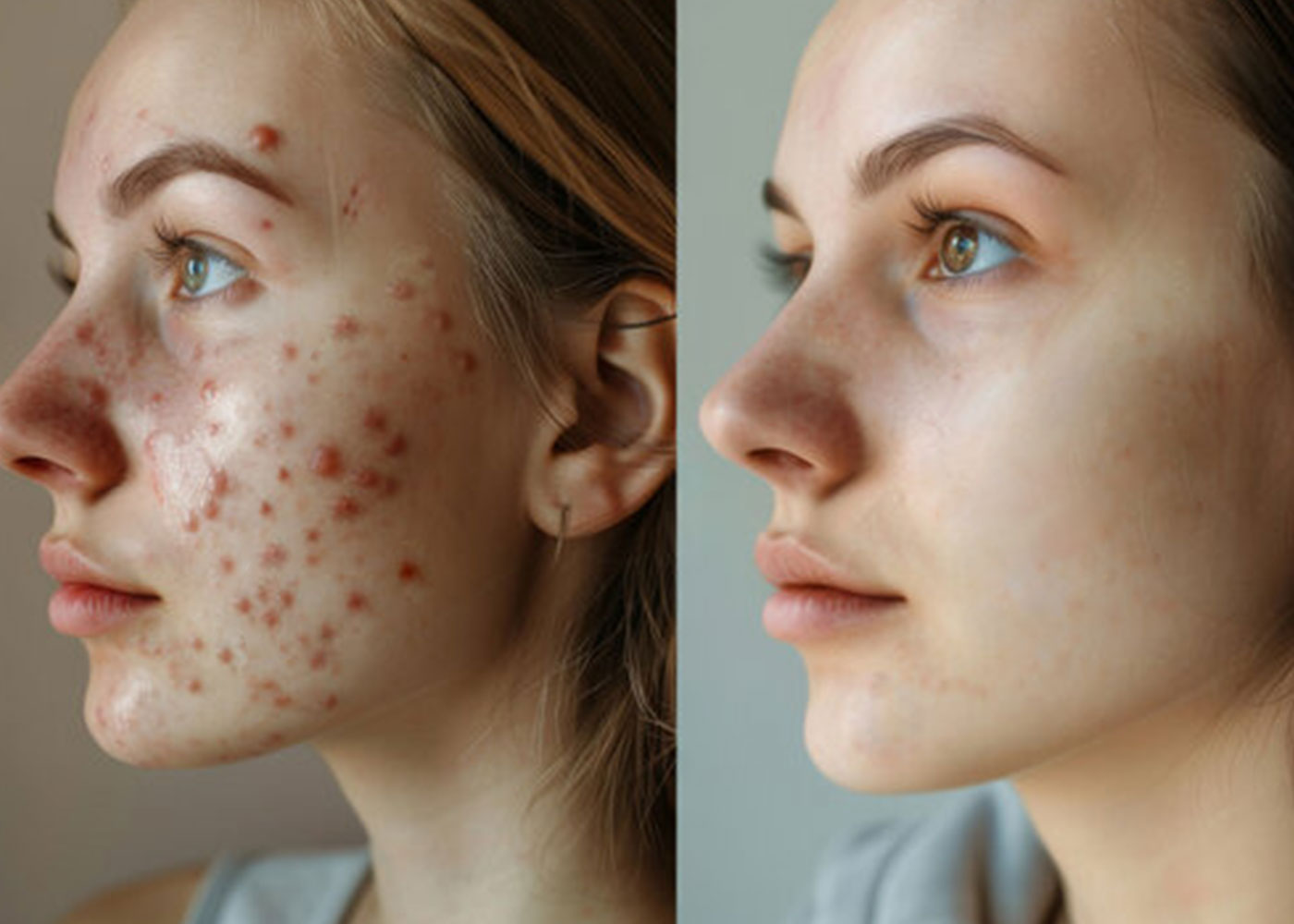
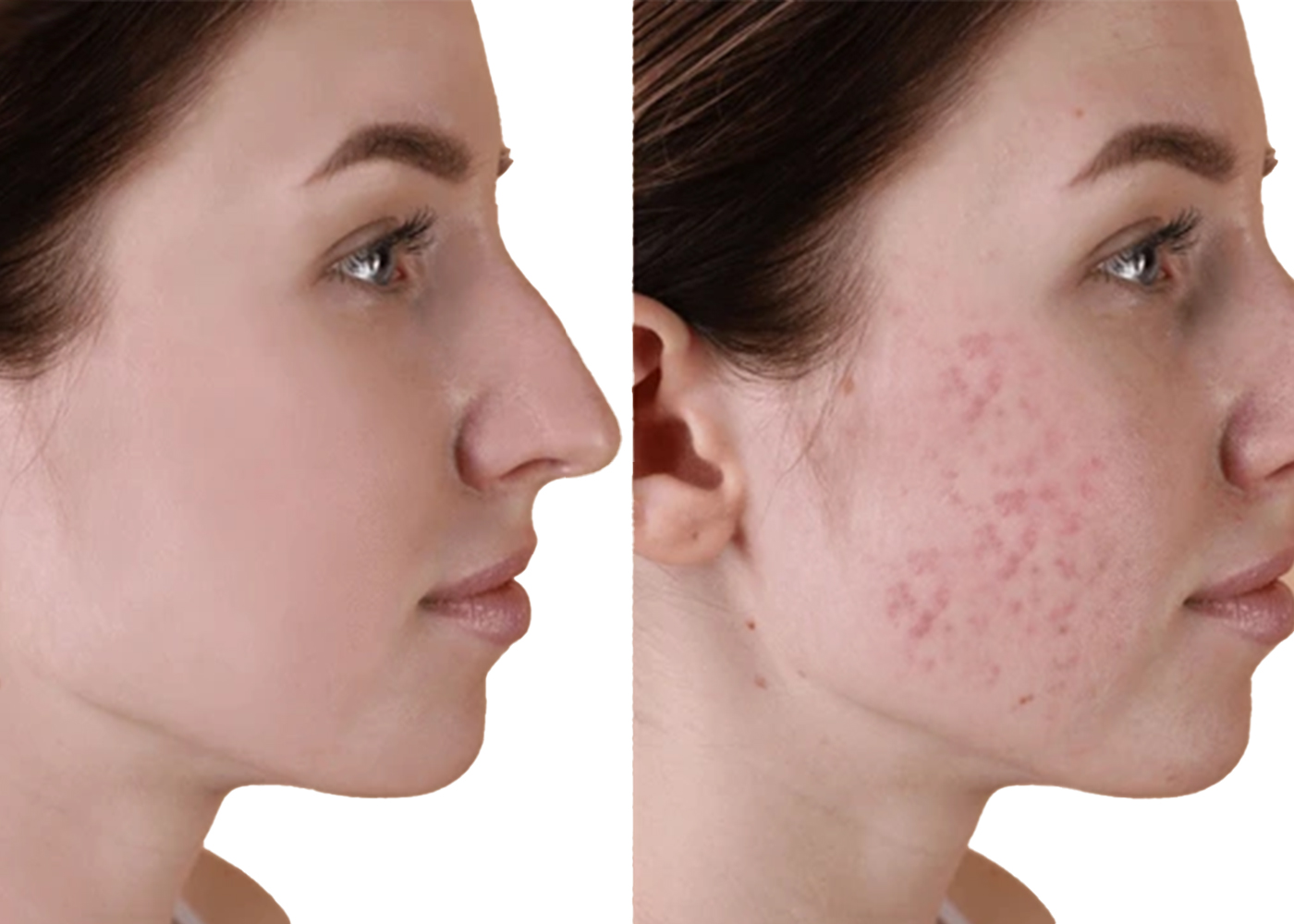
Acne vulgaris is a chronic inflammatory skin condition caused by excess sebum, abnormal keratinization, and follicular blockage. Cutibacterium acnes bacteria trigger inflammation, leading to papules, pustules, nodules, and cysts. Hormonal changes often drive the process, especially during adolescence.

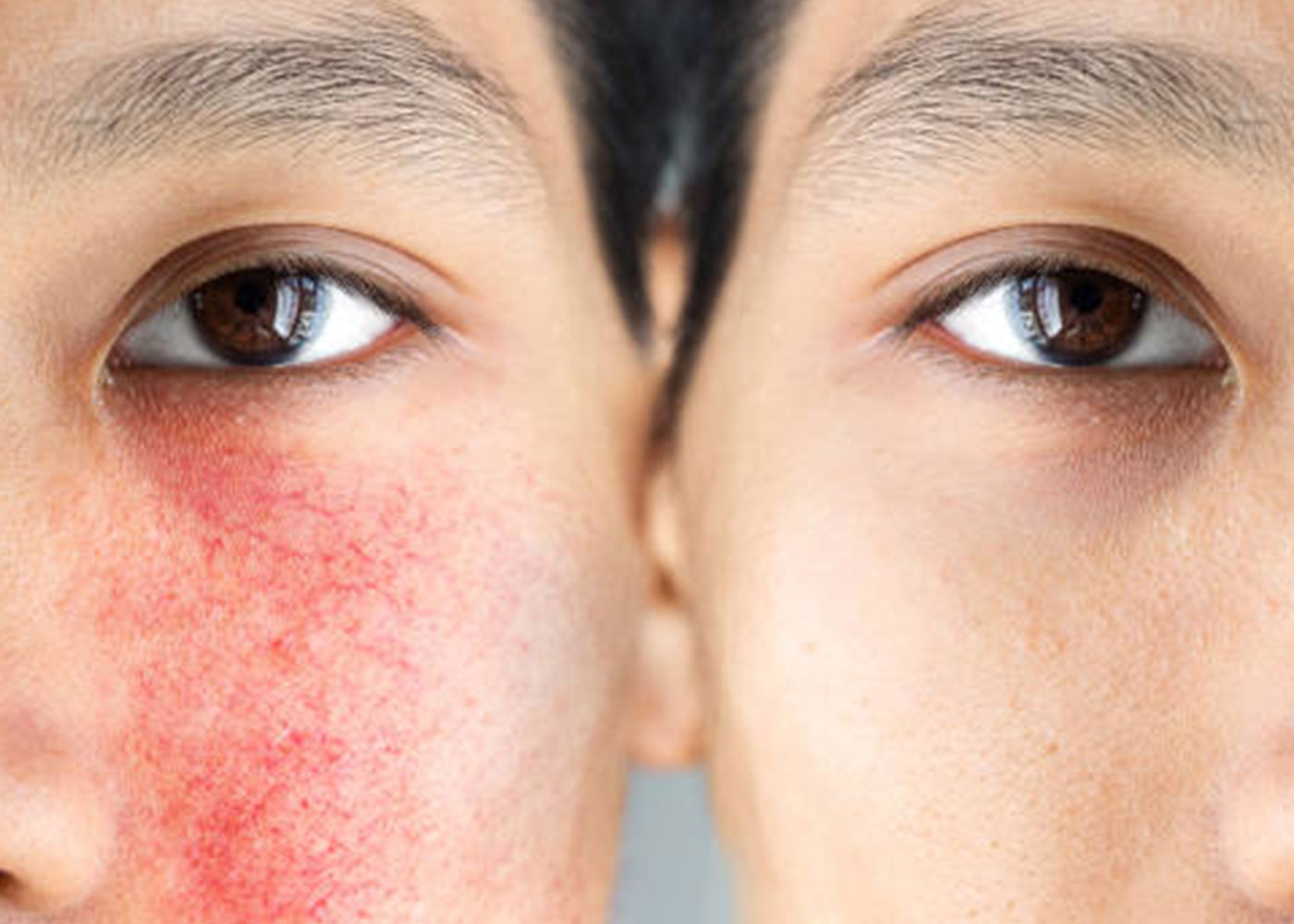
Rosacea is a chronic inflammatory skin condition affecting the central face. It involves immune dysregulation, with increased cathelicidin and kallikrein 5 causing inflammation and vascular changes. Vascular hyperreactivity leads to erythema and telangiectasia. Demodex mites may also trigger immune responses.

Eczema is a chronic, relapsing inflammatory skin condition caused by a defective skin barrier, often due to filaggrin gene mutations. This leads to water loss and increased allergen entry. Immune dysregulation with Th2 cytokines (IL-4, IL-13) drives inflammation, itching, and risk of secondary infections.

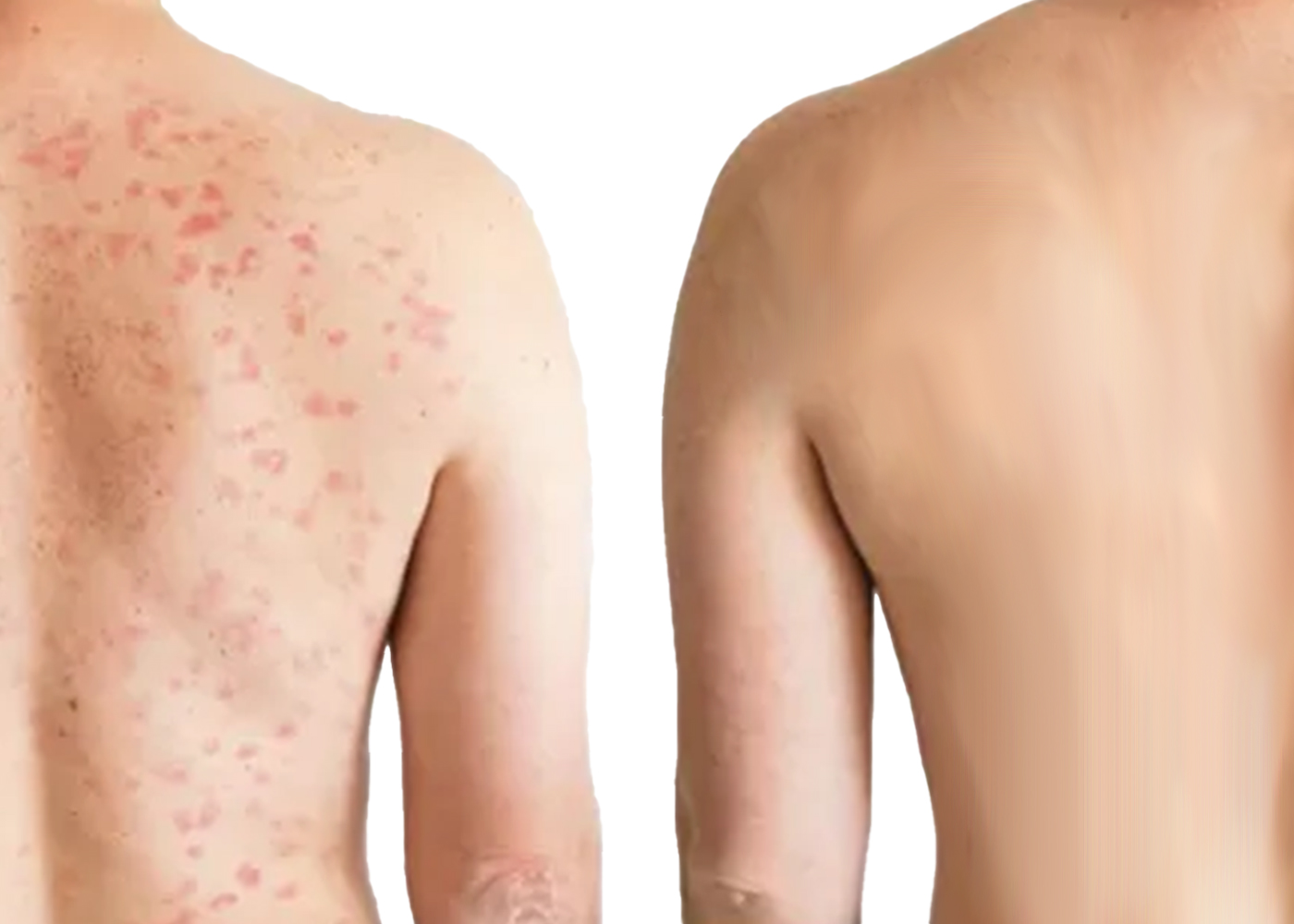
Psoriasis is a chronic autoimmune skin disorder marked by rapid keratinocyte growth and abnormal differentiation. It’s driven by Th17 cells and cytokines like TNF-α, IL-17, and IL-23. This causes red, scaly plaques, often with nail changes and possible joint involvement.

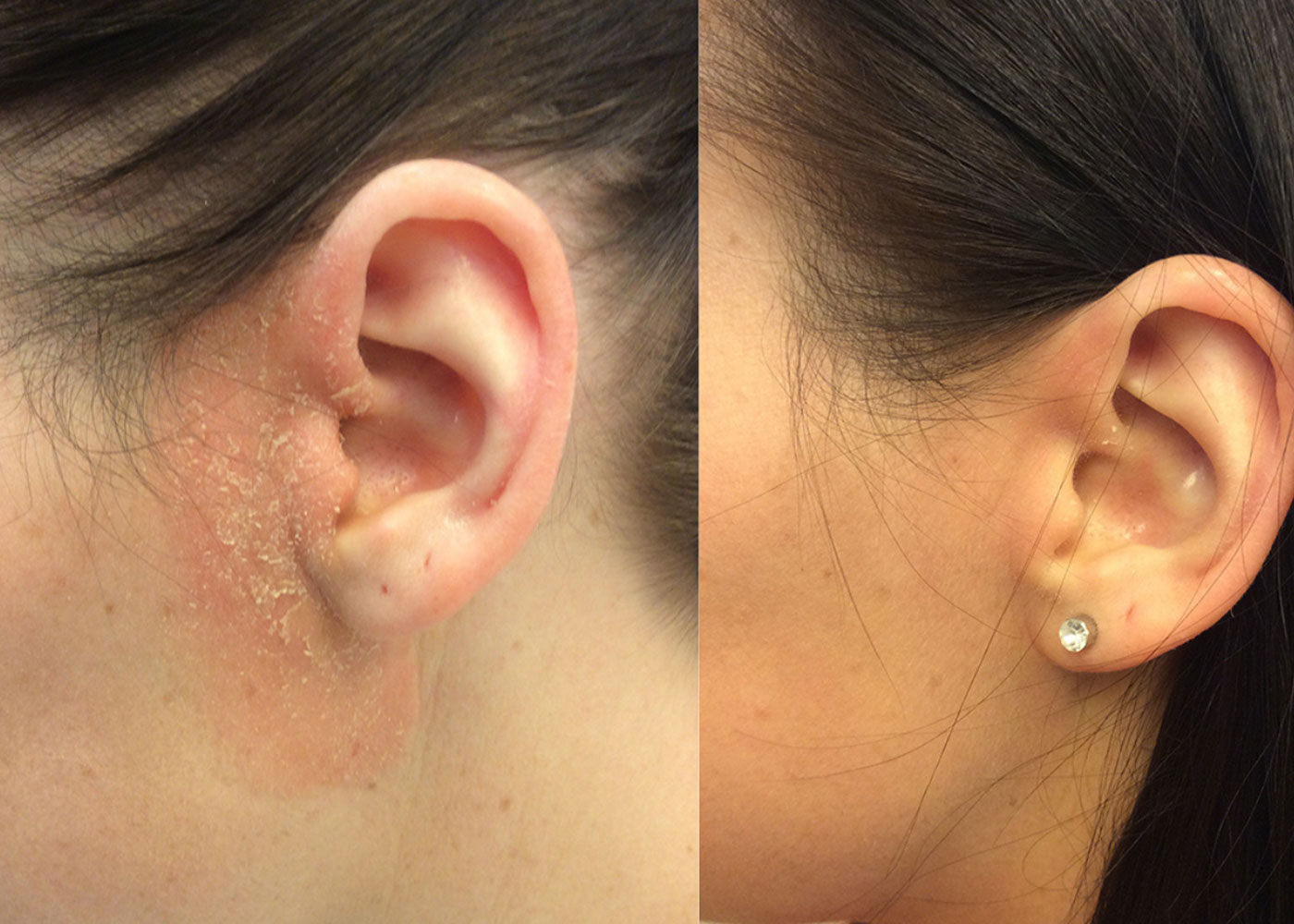
Seborrheic dermatitis is a chronic, relapsing skin condition affecting sebum-rich areas. It’s triggered by an inflammatory response to Malassezia yeast, with contributing factors like genetic predisposition, immune dysfunction, and environmental triggers.

Scarring results from wound healing involving inflammation, tissue growth, and remodeling. In acne, ruptured follicles cause collagen loss and fibrosis. Imbalance in collagen turnover leads to abnormal scars—hypertrophic or atrophic—due to excess fibroblast activity.